NZ Apple Sector Pushes for Japan & Korea Market Access
The apple sector is working with the Government to unlock access to two key markets that could bring millions in revenue for apple growers.
 increase font size
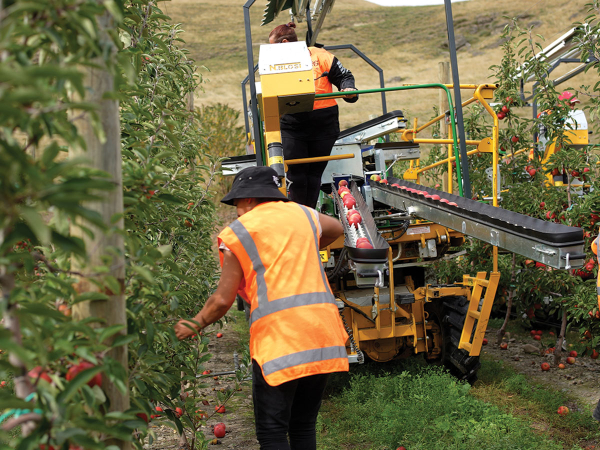 The apple industry is enjoying exceptional fruit quality and high pack‑out rates this season.
Hawke's Bay apple grower Taylor Corporation says a standout 2026 season, coming after a few difficult years, is boosting optimism among growers.
Marked by exceptional fruit quality and high pack-out rates, this season is a welcome return to form for the industry after several challenging years, that included Covid-19 disruptions and extreme weather events.
Taylor Corporation's Cameron Taylor told Rural News that their 2026 crop has been outstanding in quality and yield so far.
"After a few difficult seasons, it's been incredibly encouraging to see the productivity return, which in turn does a lot to boost optimism throughout the team," says Taylor.
"Hawke's Bay had an excellent growing season, and the results are really showing through in the orchard. Long may it last."
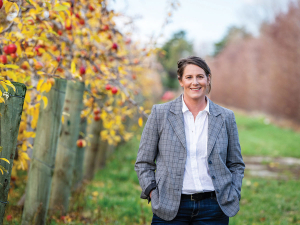
New Zealand Apples and Pears (NZAPI) acting general manager Danielle Adsett says the industry's return to form is incredibly heartening to see.
"The fruit looks and, most importantly, tastes fantastic. Growers are reporting excellent quality, early pack-outs are tracking really well and there's a real sense of optimism across the industry.
"While we are still building toward previous pre-Covid peaks, this year's improved productivity numbers are the real gamechanger for growers. After an excellent 2025 harvest, this season is also tracking in the right direction."
At Taylor Corporation's 450ha orchard, yield isn't back to pre-Covid levels, but Cameron Taylor says they are moving in the right direction.
"Yields are still below pre-Covid levels due to the lingering impacts of Cyclone Gabrielle and the time required to grow the tree in the nursery and then for newly planted trees to reach full production.
"However, we are three years down the road now and can certainly see the return in sight."
Taylor describes the past few seasons as extremely challenging.
"Covid-19 on its own created significant disruption, and then of course Cyclone Gabrielle followed soon after.
"Having those two major events back-to-back placed enormous pressure on the business and the wider sector.
"On top of this is a significant increase in operating costs, with insurance, power, gas and compliance costs sky rocketing."
Taylor says pre-cyclone they were already in transition to full hedgerow, high density planting and knew the results it could deliver.
"Seeing the benefits firsthand of this planting style gave us the confidence to continue with this method and replace cyclone-damaged orchards with the same systems, albeit faster than originally planned."
The company is investing in new IP, including new varieties Sassy, Posh and King which have been particularly exciting and well received in export markets.
"Post-cyclone we replaced our already state of the art packhouse and continue to invest in new technology," he says.
New Varieties
New Zealand Apples and Pears (NZAPI) acting general manager Danielle Adsett attributes the significant uplift in productivity to the maturation of new plantings of IP varieties.
Productivity gains are attributed to the strong focus from growers to transitioning their orchards to more highly-productive growing systems, that are more efficient and deliver higher yields.
"The new IP varieties deliver higher yields and attract stronger returns in global markets, however some of these orchards are still relatively young," says Adsett.
"They need time in the ground before they reach full production, which suggests further growth and improved productivity is in the pipeline."
The apple sector is working with the Government to unlock access to two key markets that could bring millions in revenue for apple growers.
For over 50 years Mel Ewers has been supporting the apple sector navigate through compliance and quality assurance issues.
New Zealand apple and pear industry stakeholders are out in force for the annual conference in Queenstown.
As we move into the late-summer and autumn period, much of the country’s fruit growing regions are entering operationally critical windows of the horticultural calendar. The question on grower’s minds is ‘what is the outlook for the March-April harvest?’
The 2024-25 season apple harvest has “well and truly exceeded expectations”, says Apples and Pears NZ chief executive Karen Morrish.


National’s pledge to introduce 19 new national standards shows the party is serious about getting Wellington out of farming, Federated Farmers says.
The National Party’s policies to make it easier to grow fresh vegetables, secure reliable water and energy and simplify farm planning are practical changes that will give growers the confidence to invest, according to Horticulture New Zealand (HortNZ).
Fonterra Co-operative Group chief financial officer Andrew Murray has resigned to take up a role outside the dairy giant.
A major move is about to get underway to improve the quality and viability of dairy beef and cattle in NZ.
Veterinarians say changes to the code of welfare for dairy cattle provides a positive foundation for improved cattle welfare across the country.
Today, 15 October, is the International Day of Rural Women, which recognises rural women’s contribution to farming, communities and the environment.