US Launches Lamb Safeguard Probe, NZ Exports at Risk
As expected, the US has launched a safeguard investigation into lamb imports, a move that could impact New Zealand sheepmeat returns.
 increase font size
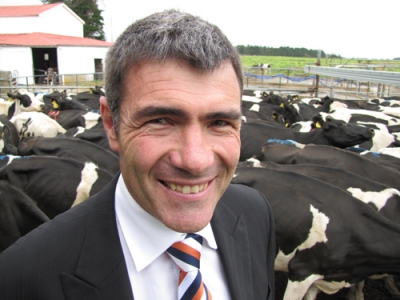 Nathan Guy
Primary Industries Minister Nathan Guy says the agriculture sector remains in good heart despite Fonterra’s recently announced reduced forecast payout.
“This [payout drop] wasn’t particularly surprising as it reflects the ongoing volatility in the international dairy price, but clearly it will have a significant impact on the dairy industry,” Guy says.
“Times will be a bit tougher for dairy farmers over the next few months and it will have a flow-on impact in regional communities.”
However, Guy believes the low in dairy prices will be short-term. “The medium to long-term outlook for our dairy sector, and indeed all primary sectors, is very positive. It is expected to grow by 17% to more than $41 billion over the next four years.”
Guy says impressive growth in the meat, horticulture and seafood sectors will help to offset any decrease in the dairy industry.
“For example, beef prices for New Zealand farmers have risen to record highs and horticulture exports are now worth over $4 billion. The NZ dollar is also around 25 cents lower against the US dollar than this time last year, which is helping all exporters, and interest rates are low.”
Guy is adamant the dairy sector will bounce back. “Dairy farmers are resourceful and know better than anyone that it’s a cyclical business and always has been.”
As expected, the US has launched a safeguard investigation into lamb imports, a move that could impact New Zealand sheepmeat returns.

New Zealand's red meat sector says it welcomes the Government's focus on trade ahead of the general election in November.
New Zealand red meat exports are booming but a pending decision in the White House, Washington D.C., could dent sheepmeat earnings.
Politicians calling for New Zealand to withdraw from the Paris Agreement on climate risk damaging two of our gold-plated free trade deals.
Prime Minister Christopher Luxon says the red meat sector is doing an excellent job promoting our pasture-fed system around the globe.


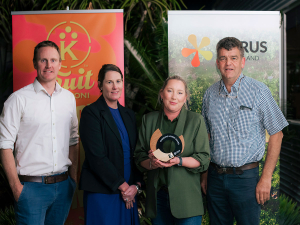
New Zealand's citrus growers were challenged to build their future on the value embedded in their fruit rather than the volume they produce, at Citrus New Zealand's annual gathering in Gisborne on 17 September.
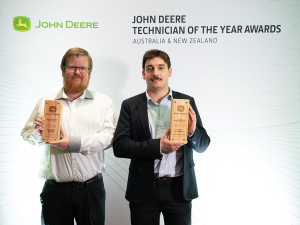
Leading John Deere technicians and apprentices from New Zealand and Australians were recognised at the recent sixth annual JD Technician of the Year Awards, held in Brisbane.
In Dacre, near Invercargill in New Zealand’s South Island, Bruce Dinnington is running a dairy operation unlike any other.
A free online platform aggregating governance vacancies across rural and regional New Zealand has been launched.
Environment Minister Nicola Grigg has announced details of a new rural plastics recycling scheme.
Agricultural drone operators say that a government decision to allow lower-risk drone work without certification won’t lower standards but drive innovation and efficiency.