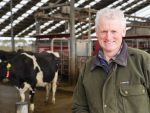
Inside the Southland Dairy Farm Where Robots and Pasture Work Together
In Dacre, near Invercargill in New Zealand’s South Island, Bruce Dinnington is running a dairy operation unlike any other.
 increase font size
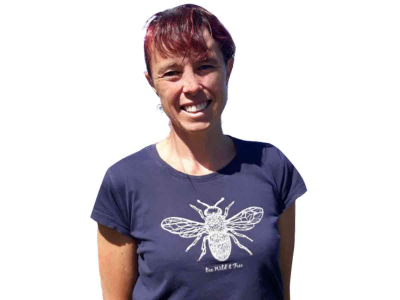 Sarah Thorne.
Southland farmers are creating unique community groups for town and country in response to escalating environmental rules.
Feelings are running high in the province as farmers confront new environment plans and activists running hot on winter grazing and nutrient laden waterways.
But it’s not all fire and brimstone: farmers are creating catchment groups to measure, monitor and improve practices.
Southland now has 20 of the voluntary, farmer-run groups known collectively as the Southland Catchment Group Forum.
Unlike catchment-based zone committees in Canterbury, the Southland groups aren’t charged with recommending policy to the regional council.
Southland project coordinator Sarah Thorne, an appointee from NZ Landcare Trust, says the network of catchment groups is unique and growing. The cumulative power of all these on farm changes is making a real difference to the region’s water quality, she says.
The groups cover town and rural communities across Southland and are well supported by businesses, rural professionals, farm sector support groups, councils and regional agencies.
The groups aim to improve water quality in an area special to them. They choose their boundary, identify their issues, come up with their solutions and celebrate their successes.
The groups work because farmers liked talking to farmers, Thorne says.
“Farmers are passionate about their land and looking after it for the next generation, and they like taking ownership of their issues and coming up with practical solutions which benefit their farm’s profitability, their families and the environment.”
The groups have different priorities, but all work on raising environmental awareness and education, providing a community voice and helping people to get ready for changes in policy and regulations.
The catchment groups run field days, find expert speakers and organise workshops to help people look after their farms and waterways.
The groups are working with schools, trialling technologies and nutrient modelling systems with agribusiness companies, sharing knowledge on good management practices and providing a community voice on local plans.
Farmers and their partners are also starting innovative waterway projects, using citizen science “and most importantly making well informed changes on their farms across Southland”.
Thorne’s role is funded by the Ministry for Primary Industries Sustainable Farming Fund until July 2020.
In Dacre, near Invercargill in New Zealand’s South Island, Bruce Dinnington is running a dairy operation unlike any other.
With forecasters advising El Niño conditions will develop through winter and strengthen into spring and summer, Ballance Agri-Nutrients is encouraging farmers and growers to think ahead about nutrient planning and be prepared to work around challenging weather conditions.
Power Farming has launched a joint venture in Southland.
Halter has announced the six winners of its 2026 One Year Free competition, marking the biggest year yet for the annual award and the first time the company has expanded the field beyond its usual line-up.


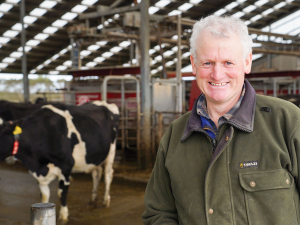
In Dacre, near Invercargill in New Zealand’s South Island, Bruce Dinnington is running a dairy operation unlike any other.

A free online platform aggregating governance vacancies across rural and regional New Zealand has been launched.
Environment Minister Nicola Grigg has announced details of a new rural plastics recycling scheme.
Agricultural drone operators say that a government decision to allow lower-risk drone work without certification won’t lower standards but drive innovation and efficiency.
OPINION: Warning bells are ringing in the arable sector.
Farmgate lamb prices are down by 8%, beef cattle by 4.5% and farm expenditure up by 4.2%.