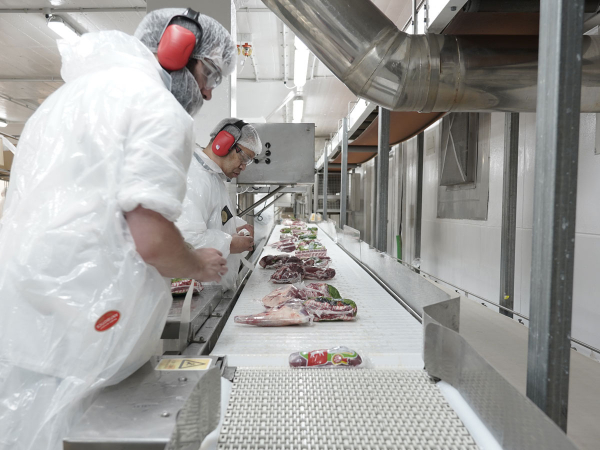
"There is a strong prospect of killing chains shutting down, export dollars lost - along with jobs for New Zealanders working in the country's meat processing plants if we don't let these people into NZ," MIA chief executive Sirma Karapeeva told Rural News.
The MIA has been trying since about the middle of last year to get the Government to allow in more overseas halal slaughtermen. Nearly half the red meat processed in NZ is done in accordance with halal rituals.
Karapeeva says the issue with halal slaughter is that the NZ labour market is incredibly tight because of the small population of workers they can tap into. This means they cannot recruit sufficient numbers of people locally.
"We only need 50 migrant workers to keep our sector processing in the halal manner and adding value to our exports, but that means that we need to source overseas workers," she explains.
"Yet the Government has approved only 15 and that is a serious challenge for us going forward. This is an appalling outcome for the country's second largest export earner."
Karapeeva says this all comes at a time when the country needs strong exports to help NZ through the Covid recovery.
"I don't think the Government should be feeling too proud of themselves at the moment," she says.
When the question of the MIA predicament was put to Agriculture Minister Damien O'Connor, he said he understood the industry would like to have some backup. But O'Connor claimed the reality is, "everyone is working to adjust in the present time".
"I think the number we have let in will address the issue for the meat industry and allow them to get on. But we [the Government] will work with them [the Government] will work with them [the meat industry] to have more as necessary through the season."