NZ Must Prioritise Food Security, Says HortNZ's Malley
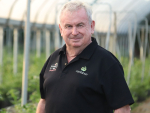
New Zealand needs to make sure that it continues to focus on its own food security, according to HortNZ board member and blueberry grower Dermott Malley.
Primary Industries Minister David Carter says the Government is reviewing three forestry schemes to decide whether they need to be tweaked to encourage more forestry plantings.
This coincides with a fall in the international price of carbon from a high of $25 to the present low of $3 a tonne.
Carter says he's aware of the criticism about overseas carbon credits. "Anybody in the New Zealand forestry industry expecting a return out of carbon is obviously concerned. They are looking for ways to insulate New Zealand from the international carbon price. I personally believe we need to see more trees planted in New Zealand particularly in areas of the land which are eroding significantly."
Carter says the three schemes in question – The East Coast Forestry Project, The Hill Country Erosion Programme and the Afforestation Grant Scheme – are being reviewed.
The avocado sector is entering the new season with a larger crop and positive market opportunities.
New Zealand growers have always adapted to changing conditions, but one challenge is steadily gaining ground across the horticulture sector: resistance.
Blueberries have the potential to become a major horticultural export, earning up to $150 million within the next three to five years.
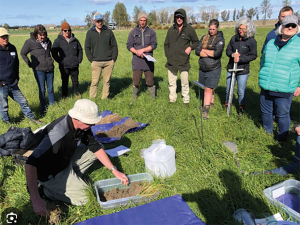
Twenty five secondary school students from around New Zealand recently completed a three day residential programme designed to explore career opportunities across the food and fibre production supply chain.
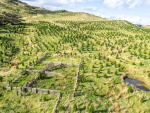
Conversions of sheep and beef farms to forestry have slowed, however new research from Beef + Lamb New Zealand (B+LNZ) suggests land of value for food production remains at risk.
OPINION: A simpler, clearer, more effective Recognised Seasonal Employer (RSE) scheme.