Pāmu and Meet the Need Launch Mince Recipe Cards for Food Banks
A partnership between state-owned enterprise Pāmu (Landcorp Farming Limited) and charity Meet the Need is putting more than quality New Zealand beef into food bank parcels this year.
 increase font size

STATE-OWNED FARMER Landcorp is seeking to make subtle but significant changes to its strategic direction.
Outlining the changes to Rural News, chief executive Steven Carden said the SOE wants people to realise there is a direct correlation between a strong Landcorp and a strong New Zealand farming sector.
Directors and staff know about the proposed changes, due for further discussion during another strategy session at a board meeting in a few weeks.
Historically the organisation has been relatively inward looking, he says. Now he'd like to see Landcorp working more collaboratively with other partners and looking well beyond the farmgate and engaging with others.
Carden wants Landcorp to tell the good news stories about itself.
"We have focused very much on being big, whereas I want to focus very much on being the best. We are focused on asset growth whereas I would like us to be more focused on sustainable profitability.
"Sustaining the environment has been the focus historically, whereas I think we need to be looking at rejuvenating the environment. Farming's role in the context of the environment [should be] enhancing environmental outcomes rather than just minimising the impact on the environment.... Commercial returns [come] as a result of environmental rejuvenation."
Landcorp is seen as a good place to farm, Carden says. But he wants it regarded as the best place to work and one which gets people excited about agriculture.
"We are focused on driving the highest calibre people into farming and staying there in exciting dynamic careers. We have a big push on how to build the people coming into Landcorp and into the industry; it's critical to our future. Currently we are losing that battle and not getting sufficient graduates."
Carden envisages Landcorp focusing more on partnerships – including with iwi and other investors – modeled on the company managing rather than owning land. This happens now under its contracts with Shanghai Pengxin to manage the former Crafar farms and Wairakei Pastoral for the development of dairy farms in the central North Island.
Carden also wants to work with others on training and R&D projects to benefit the whole farming sector.
"But we will not be credible unless we are seen as a high quality farming enterprise across all sectors, driving a commercial return. So there are many areas in which we need to improve our performance to drive greater profitability and return on our assets.
"I want us to focus strongly on the value part of the equation – to extract the most value from the land we farm... looking beyond the farm to who's taking our product and where they are selling it, and how we can be more actively engaged in that." That includes looking at co-products. "We have farmed sheep for many years for wool and for meat; now I'd like us to start thinking about sheep milk... and rebuilding our drystock business."
A partnership between state-owned enterprise Pāmu (Landcorp Farming Limited) and charity Meet the Need is putting more than quality New Zealand beef into food bank parcels this year.
Matt Collier, Probiotic Revolution, says calves will drink a lot of milk once-a-day with their probiotic Calf Xtreme.
After a winter of frozen pipework and refrigeration call-outs, Terravest chief executive Kip Bodle and chief operating officer Luke Walker explain why this El Niño summer calls for a different kind of preparation, before the first heatwave finds the weak points for you.
State farmer Pamu has delivered its strongest operating result on record.
After delivering a strong financial year, rural trader PGG Wrightson says the coming months will depend on customer confidence and weather.
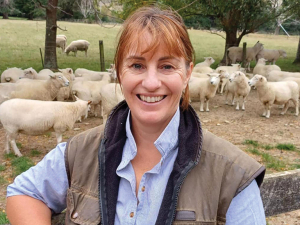
B+LNZ's Wormwise veterinarian Mary Bowron has won the Best Sheep and Beef Vet of the Year Award in recognition of her outstanding contribution to New Zealand’s sheep and beef sector.
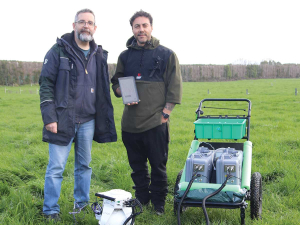
Researchers at Massey University are using a special piece of scientific equipment to improve the measurement of greenhouse gas emissions from pasture soils.
More signs of a booming kiwifruit sector.
OPINION: David Seymour and James Meager's plan to make it easier for farmers and orchardists to operate drones can best be described a 'courageous' move.
New Zealand wool is reaching new heights as air filtration companies move away from synthetic products to biodegradable alternatives.
Opuha Dam's ability to protect South Canterbury communities from major flooding has taken a significant step forward, with Opuha Water Limited (OWL) successfully commissioning a new outlet valve capable of releasing record volumes of water from the dam ahead of a weather event.