Rural Lobby Groups Seek Clear Election Positions On Farming And Emissions
Centre right parties are backing policy positions pushed by three farmer lobby groups ahead of the general election.
 increase font size
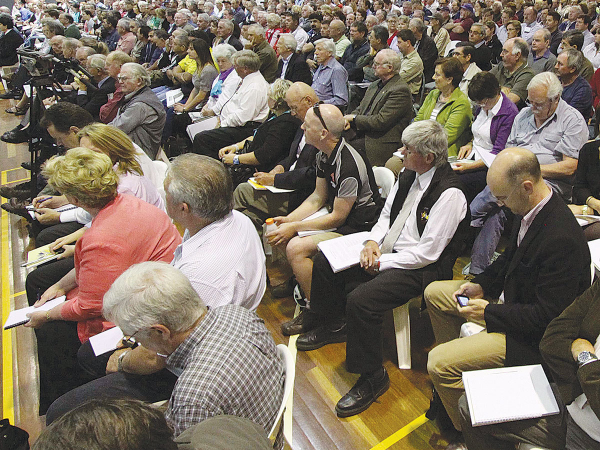 More than 400 farmers attended a recent series of Groundswell NZ meetings around Canterbury and the West Coast.
More than 400 farmers attended a recent series of Groundswell NZ meetings around Canterbury and the West Coast to discuss new freshwater and biodiversity rules being imposed on the farming sector.
"We have been blown away by the farmer engagement at our meetings," says Groundswell spokesman and Otago farmer Bryce McKenzie.
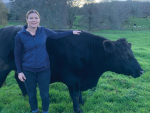
Farmer and environmentalist Jane Smith, a former Ballance Farm Environment Award winner, was one of the key speakers at the meetings. She told farmers to not just accept everything that is put in front of them.
"Once regulations are enshrined in law, they will be with us forever - while those who enact them will come and go," Smith told the meetings.
She also believes that the farming sector needs one, strong voice.
“Our advocacy spokespeople need to be listening to grassroots farmers and not simply appeasing idealistic lawmakers.”
Smith also questioned why the Government seemed hell-bent on destroying the NZ farming sector when NZ farmers are the most efficient sustainable food producers in the world.
She says a more pragmatic pathway to good environmental outcomes, without destroying the fabric of NZ’s rural society, included working alongside regional councils to ensure commonsense prevails and the inter-generational, communal work underway – driven by catchment groups – is not undermined by an “outlandish generic consent process”.
The other key speaker, Jamie McFadden, of the Rural Advocacy Network based in Canterbury, explained the implications of the proposed freshwater and indigenous biodiversity regulations.
McFadden says these regulations are “unworkable” and would deliver outcomes that will be worse for the country’s natural environment and waterways.
He told the meetings there are more simple solutions available to NZ’s environmental issues – such as operating under one, integrated legislation.
Following these meetings, McKenzie says Groundswell is looking at implementing a range of actions to put a stop to the regulations.
“We are currently looking for regional coordinators to help us share information and keep farmers informed as more protest actions unfold,” he says. “Groundswell is already well established in Southland/Otago and coordinators for the West Coast are now underway.”
Centre right parties are backing policy positions pushed by three farmer lobby groups ahead of the general election.
A survey of 2000 farmers shows 94% of respondents believe that remaining in the Paris Agreement for climate change is not in the country's best interest.
OPINION: Climate change is shaping up to be one of the major issues at next year's general election.
Groundswell is ramping up its 'Quit Paris' campaign with signs going up all over the country.
Federated Farmers is joining major industry-good bodies in not advocating for the Government to withdraw from the Paris Agreement.



Now in its fourth year, the 2026 Fencing Industry Awards, formed part of the proceedings of the FCANZ Conference, held in Nelson during August.
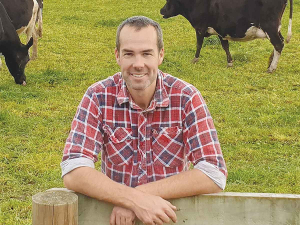
DairyNZ deputy chair Cameron Henderson has been re-appointed unopposed for another term.
OPINION: The stats speak for themselves.
Farms across the upper North Island are trialling different pasture mixes as part of a research programme that aims to build greater resilience into farming systems.
Election years are always a concerning time for farmers, according to DairyNZ chair Tracy Brown.
The Ballance Farm Environment Awards are coming to the West Coast of the South Island.