'Far-reaching' reserves feared
Farmers in the Kaikoura and Conway flat regions claim more than 45,000ha of private land has been caught up in three mātaitai reserves declared in the region.
 increase font size
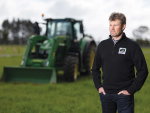
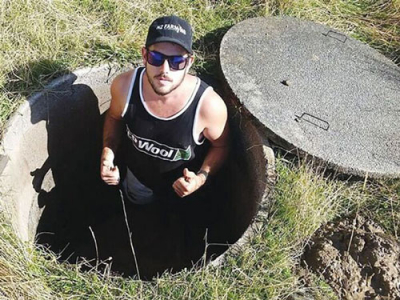 The founder of the NZ Farming Facebook page and instigator of its volunteer relief effort, Tyler Fifield, in a well on a farm near Kaikoura. The volunteers were trying to deepen the well by hand shovels after it dried up.
Three months after the earthquake ripped through the Kaikoura area on November 14 there is still no shortage of tasks for volunteers helping the region’s farmers to repair the damage.
On the day of the quake, Blenheim builder Tyler Fifield, founder of the NZ Farming Facebook page, took a couple of his mates in a ute loaded with tools and supplies and headed south to see what help they could provide.
When their efforts went viral, the page almost inadvertently became a default clearing-house for matching volunteer workers with farmers needing help.
A page administrator, Duncan Humm, says they arranged work for about 50 volunteers in January alone, mostly in the Clarence and Kekerengu areas, north of Kaikoura.
Repairs to farm tracks, fencing and stock water systems – mostly uninsurable farm infrastructure – are still the most common tasks.
Humm says the mid-January weather bomb that brought heavy rain and gale winds to much of the country caused more work for one volunteer team, which switched from repairing quake damage to clearing trees blown over the track on a Kekerengu farm.
“We’ve had two professional fencing teams up in the Clarence for a couple of weeks now and I don’t think they’re short of stuff to do,” he told Rural News. “We’re still trying to find experienced fencers and builders who can come and help.”
Humm said they were now trying to help several families with accommodation, including one project to convert a shed into temporary living quarters for a farm family living in a caravan.
In the first days after the quake, the NZ Farming page had also acted as a contact point for farmers and families trying to confirm everyone was safe. Humm says that became a 24-hour operation, with a page administrator in Germany able to take on the nightshift.
Humm also thanked those who came onboard during the second phase – supply runs by air while the roads into the worst affected areas were all blocked.
He says Marshland School, Christchurch, collected supplies with help from Andrea Roberts’ ‘Andrea’s Angels’ Givealittle page, Contact Energy donated gas bottles and Ngai Tahu Farming provided trucks and drivers to take goods to
Culverden, where Young Farmers and Lions and other volunteers loaded them onto aircraft provided by private owners and Aerowork.
Anyone willing to help with the NZ Farming volunteer effort can find contact details on their Facebook page.
Farmers in the Kaikoura and Conway flat regions claim more than 45,000ha of private land has been caught up in three mātaitai reserves declared in the region.
Large areas of North Canterbury and South Marlborough – affected by the 2016 Kaikoura Earthquakes – offer wide potential for horticulture.
Following the Kaikoura earthquake two years ago, the people impact was the greatest priority for the Pernod Ricard Winemakers’ management team.
Two years on from the devastating November 2016 Kaikoura earthquake, Kaikoura dairy farmer Graham Collins says he is getting used to “the new normal”.
A New Zealand Winegrowers’ research project, funded by MPI, is hoping to take the lessons from the 7.8 Kaikoura earthquake to build a more resilient industry for the future.



Fonterra Co-operative Group chief financial officer Andrew Murray has resigned to take up a role outside the dairy giant.
A major move is about to get underway to improve the quality and viability of dairy beef and cattle in NZ.
Veterinarians say changes to the code of welfare for dairy cattle provides a positive foundation for improved cattle welfare across the country.
Today, 15 October, is the International Day of Rural Women, which recognises rural women’s contribution to farming, communities and the environment.
Global dairy giant Lactalis has integrated its Australian operations with the Mainland Dairy consumer business it acquired from Fonterra earlier this year.
High country stations, mixed sheep and beef farms, Māori-owned farms, corporates and family operations are among the nine commercial farms taking part in the Livestock Innovation Farming Transformation programme, known as LIFT.