Kiwifruit Growers Prepare for El Niño, Stay Optimistic
Kiwifruit growers are watchful but remain optimistic as concerns around the potential effects of the El Niño weather pattern this season.
 increase font size

ANZ is warning that New Zealand will be unable to avoid the fallout from the COVID-19 crisis.
The bank says while under lockdown rural New Zealand feels like a relatively safe place to be with farm daily life is continuing in a much more normal manner than in the cities.
However, it warns that the country cannot avoid the fallout from the crisis.
In a report, just released on the agri-sector, ANZ says having daily tasks to attend to is a good antidote to worrying about something you can do little about. But economic growth rates in New Zealand and globally have been slashed as we all hunker down to avoid the spread of COVID-19.
The bank says recent rains have also helped relieve tensions for the agricultural sector, although a few more dry weeks would be welcomed by those busy harvesting apples and grapes. Although the drought has now broken in most parts of the country, it will be some time before there is sufficient feed on hand to eliminate the need for supplementary feed.
The report says NZ is fortunate to produce enough food to feed ourselves’ eight times over – therefore the country’s supermarket shelves won’t ever be bare. And despite the forestry sector shutting down for now, we aren’t going to run out of toilet paper any time soon either.
But the bank warns we can’t avoid the economic fallout of this horrid virus.
“Our own GDP forecasts have been slashed, with a sharp contraction forecast for Q2 and negative economic growth assumed for the next 12 months. Unemployment rates are also expected to lift to levels not seen since the early 1990s. Global economic conditions are also expected to be dire; as a trading nation we can’t escape the fallout”
In terms of the various sectors, ANZ says dairy prices have soften globally but it is holding fast on the milk price for this season at $7.15kgs/MS. However, it has revised this down to $6.45kgs/MS for next season. The bank says the drought has impacted on the sheep and beef sector, with beef prices softening but lamb prices holding.
It believes the forestry sector may benefit from the lockdown as this will allow logs in the market to move through the system and reduce world stocks.
The tourism sector has come to a sudden stop and our borders will have to remain closed until this global pandemic is under control. This will also impact our rural communities who have integrated tourism into their farming operations by providing rural accommodation and experiences.
And despite the forestry sector shutting down for now we aren’t going to run out of toilet paper any time soon either.
Kiwifruit growers are watchful but remain optimistic as concerns around the potential effects of the El Niño weather pattern this season.
Milk powder prices are keeping farmgate prices up, helping processors offset the dip in milk fat prices.
Case IH has unveiled its redesigned next generation Puma Series tractors, said to offer improvements in connectivity, operator comfort, fuel efficiency and drivability.
With forecasters advising El Niño conditions will develop through winter and strengthen into spring and summer, Ballance Agri-Nutrients is encouraging farmers and growers to think ahead about nutrient planning and be prepared to work around challenging weather conditions.
Cameron Reed lives between two worlds.


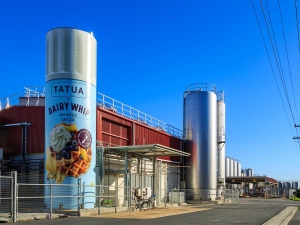
Waikato milk processor Tatua has again declared a record milk payout to farmer shareholders, leaving other processors in the dust.

A Labour-led Government won’t be bringing back the controversial freshwater rules of 2020.
National’s much-touted free trade deal with India featured in the Rural Issues Debate at Mystery Creek, Hamilton on Wednesday night.
New Zealand's 2026-27 freshwater fishing season has opened, with anglers encouraged to head to rivers and lakes over the coming days as conditions look favourable across much of the country.
Central Otago District Council (CODC) has voted against a plan to spread treated sewage sludge from Cromwell and Alexandra on farmland near Lauder, a decision Federated Farmers says reflects strong opposition from rural residents.
Pāmu has released its FY26 Integrated Annual Report, reporting a Net Operating Profit of $113 million, more than double the $49 million recorded in FY25.