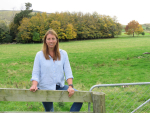
Susan O'Regan Appointed New Chair of QEII National Trust
Minister of Conservation Hon Tama Potaka has appointed Susan O'Regan as Chair of the Queen Elizabeth II National Trust (QEII) for a three-year term.
 increase font size

Agricultural contractors are reminded they must leave a buffer of at least 2m between waterways and areas cultivated for growing maize.
Maize cultivation – involving ploughing paddocks and planting seed – happens in spring. The Waikato Regional Council has been receiving reports of contractors failing to follow the 2m rule.
"The rule is aimed at preventing sediment and nutrients in the soil from getting into waterways, as this can affect water quality and the health of aquatic organisms," says programme manager Ross Wightman.
"Following the reports of some contractors failing to maintain the right distance, all agricultural contractors in the region are being written to reminding them of their obligation.
"Farmers need to be aware of this issue to and ensure contractors are following the two metre rule," Wightman says.
"If a contractor fails to observe the right distance both they and the farmer can be liable for enforcement action."
Minister of Conservation Hon Tama Potaka has appointed Susan O'Regan as Chair of the Queen Elizabeth II National Trust (QEII) for a three-year term.
Farms across the upper North Island are trialling different pasture mixes as part of a research programme that aims to build greater resilience into farming systems.
The Government has announced it will pause key parts of Waikato Plan Change 1 (PC1) in a decision that is set to give Waikato farmers a reprieve from new consenting and farm-planning requirements while the wider resource management system is overhauled.
Four years since it was first detected in New Zealand, researchers and growers now know much more about management of maize pest fall armyworm (FAW).



Ravensdown shareholders have elected Jane Montgomery and Kate Acland to the Ravensdown Board for three-year terms, following a closely contested director election.

Federated Farmers says new legislation replacing the Resource Management Act will cut red tape, unlock investment and help grow New Zealand's export-led economy, after the Planning Bill and Natural Environment Bill passed their third reading in Parliament yesterday.
Leading figures from the major political parties will be questioned on their primary sector policies at the Rural Issues Debate at Mystery Creek Events Centre, Hamilton, on 30 September.
OPINION: Have a plan in place now!
Beef + Lamb New Zealand (B+LNZ) says it welcomes the passage of the Natural Environment Bill and Planning Bill, calling the bills a positive step for sheep and beef farmers.
A spate of southerly winds bringing cold temperatures has presented challenges for Taranaki dairy farmers.