Ravensdown Elects Montgomery, Acland to Board
Ravensdown shareholders have elected Jane Montgomery and Kate Acland to the Ravensdown Board for three-year terms, following a closely contested director election.
 increase font size
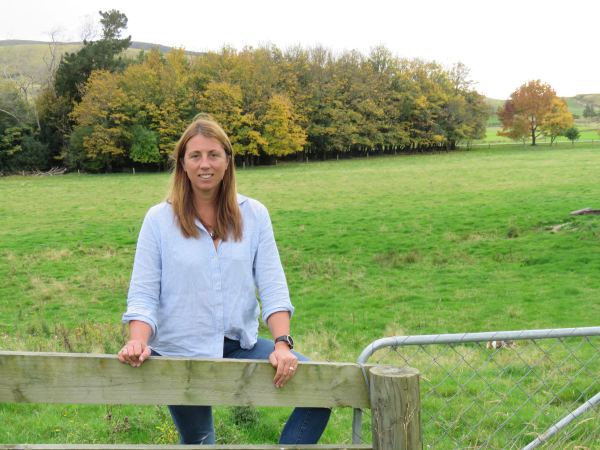 Beef + Lamb NZ chair Kate Acland has written to the UK's Secretary of State for Environment, Food and Rural Affairs regarding comments he made last week.
Beef + Lamb New Zealand (B+LNZ) says recent criticism from the UK’s Secretary of State for Environment, Food and Rural Affairs regarding New Zealand’s animal welfare standards are unfounded.
Last week, in an opinion piece in The Telegraph defending the UK Government’s controversial inheritance tax on farms, Steve Reed claimed the United Kingdom-New Zealand free trade agreement (FTA) signed in 2022 allowed for the import of meat products which were “produced to welfare and environmental standards so low they would be illegal in the UK”.
The claim has been roundly refuted by B+LNZ’s UK-based regional manager, Alex Gowen, who says the industry good body is taking the criticism seriously, reaching out directly to the UK Government, farmer organisations, and the UK media to address the claims.
In addressing the issue, he says, B+LNZ is also enlisting support from the New Zealand Government.
“It is simply not good enough,” says Gowen.
“We are calling for UK politicians to focus on facts, not misinformation that undermines generations of trust between British and New Zealand farmers,” he says.
“We value collaboration over division,” he adds. “If we were to compete, let it be on the rugby field, not through political grandstanding.”
B+LNZ chair Kate Acland has also written to Reed, saying that the statement he made was categorically false and undermined the reputation of New Zealand farmers.
She points out that animal welfare and sustainability were pivotal during the FTA negotiations, adding that the inclusion of a standalone chapter on animal welfare within the FTA was the first of its kind.
She notes that while farming systems may differ from those in the UK, this did not equate to lower animal welfare standards.
“Our robust regulatory framework, bolstered by comprehensive assurance schemes, ensures exceptional animal welfare by allowing livestock to live as naturally as possible,” she writes.
She has invited Reed to New Zealand to observe the country’s farming systems first-hand.
Ravensdown shareholders have elected Jane Montgomery and Kate Acland to the Ravensdown Board for three-year terms, following a closely contested director election.

Beef + Lamb New Zealand (B+LNZ) says it welcomes the passage of the Natural Environment Bill and Planning Bill, calling the bills a positive step for sheep and beef farmers.
Farmgate lamb prices are down by 8%, beef cattle by 4.5% and farm expenditure up by 4.2%.
Red meat farmers are welcoming Labour’s plan to review the Emissions Trading Scheme and not to campaign on pricing agricultural emissions.
Chinese beef trade quotas and a looming suspension of Brazilian beef imports into the European Union are expected to reshape global beef trade flows over the remainder of 2026, with implications for New Zealand exporters, according to Rabobank's Q3 Global Beef Quarterly report.


Ravensdown shareholders have elected Jane Montgomery and Kate Acland to the Ravensdown Board for three-year terms, following a closely contested director election.
Federated Farmers says new legislation replacing the Resource Management Act will cut red tape, unlock investment and help grow New Zealand's export-led economy, after the Planning Bill and Natural Environment Bill passed their third reading in Parliament yesterday.
Leading figures from the major political parties will be questioned on their primary sector policies at the Rural Issues Debate at Mystery Creek Events Centre, Hamilton, on 30 September.
OPINION: Have a plan in place now!
Beef + Lamb New Zealand (B+LNZ) says it welcomes the passage of the Natural Environment Bill and Planning Bill, calling the bills a positive step for sheep and beef farmers.
A spate of southerly winds bringing cold temperatures has presented challenges for Taranaki dairy farmers.