NZKGI Responds to Migrant Worker Exploitation Reports
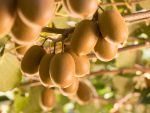
Where any worker in the kiwifruit industry is mistreated, we expect the authorities to take action.
 increase font size
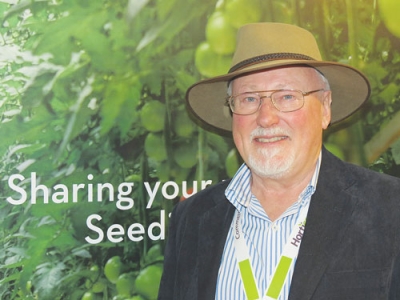 Julian Cribb.
An international agricultural journalist and science writer believes horticulture will, long term, gradually replace dairying as NZ’s leading farming and food production industry.
Julian Cribb, from Australia, keynote speaker at Horticulture NZ’s recent annual conference, made predictions on changes starting to gain traction in agricultural systems worldwide.
He says the change from dairy to horticulture will occur in 2030-2050, as Asian markets begin to demand more vegetables than dairy products.
“They will still want dairy products for sure, but they will want vegetables even more. There will be a transition from the old style: just as there has been a transition from beef and sheep to dairy, it will now go further to this new diet.”
Food fashion and changes in cultural demand and health will be in play, Cribb says, pointing out that four of every five consumers in New Zealand die from diet related diseases.
“These diseases cannot be cured by medicine: there are no cures for cancer and heart diseases. The diseases can be stabilised, but they can’t be stopped. To stop them we will have to put our kids onto healthy diets and that means horticulture. We will have to reduce the intake of meat, grains and sugar that underlies the worldwide pandemic of obesity and diabetes.”
Cribb says for civilisation to survive this century it must change its diet from being broadly European – meat and grains – to being broadly Asian – vegetables and fish. People will keep eating meat and grains, but less of them.
“Vegetables are massively more efficient in land and water use. You can grow 30 tonnes of cabbage with the same amount of water needed to produce 2kg of beef. It’s a much more efficient use of resources which will get dramatically scarce, e.g. farmers’ water being taken by the mega-cities and big energy companies.”
Where any worker in the kiwifruit industry is mistreated, we expect the authorities to take action.

Kiwifruit growers are watchful but remain optimistic as concerns around the potential effects of the El Niño weather pattern this season.
James Blair, an agronomist for AS Wilcox and the Pukekohe regional champion, has won the 2026 Young Grower national title.
Claimed to be the first autonomous robot for New Zealand vegetables growers, the first Kilter AX-1 unit has arrived in the country.
After delivering a strong financial year, rural trader PGG Wrightson says the coming months will depend on customer confidence and weather.


In Dacre, near Invercargill in New Zealand’s South Island, Bruce Dinnington is running a dairy operation unlike any other.

A free online platform aggregating governance vacancies across rural and regional New Zealand has been launched.
Environment Minister Nicola Grigg has announced details of a new rural plastics recycling scheme.
Agricultural drone operators say that a government decision to allow lower-risk drone work without certification won’t lower standards but drive innovation and efficiency.
OPINION: Warning bells are ringing in the arable sector.
Farmgate lamb prices are down by 8%, beef cattle by 4.5% and farm expenditure up by 4.2%.