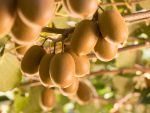
Growers See Red Over Proposed Blueberry Import Standards
New import standards could put New Zealand’s blueberry industry and the wider horticulture industry at risk.
 increase font size

Sampling has been completed for the largest and most detailed study of honey bee health ever undertaken in New Zealand.
More than 60 beekeepers have participated in Biosecurity New Zealand’s Bee Pathogen Programme and had their hives tested every six months for two and half years.
Biosecurity New Zealand senior scientist, Dr Richard Hall, says the research will provide a wealth of valuable information to the beekeeping industry.
“The Bee Pathogen Programme will help us better understand the effect that diseases, climate and apiary management practices have on colony losses and productivity,” he says.
“We have completed sampling and our experts have begun carefully evaluating the huge amount of data that has been collected.
“This includes studying more than 130,000 honey bees from 300 samples taken throughout the country that are now archived in Biosecurity New Zealand’s freezers.
“Once the data has been carefully evaluated it will be available to the beekeeping industry and to researchers for further analysis.”
Biosecurity New Zealand is aiming to release its conclusions from the Bee Pathogen Programme in late 2019.
New import standards could put New Zealand’s blueberry industry and the wider horticulture industry at risk.
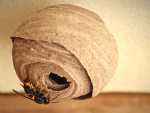
Biosecurity New Zealand says Kiwis should continue to keep an eye out for yellow-legged hornets (Vespa velutina) over the holiday season.
Biosecurity New Zealand is intensifying its campaign to locate and eliminate the invasive yellow-legged hornet, following confirmed detections on Auckland's North Shore.
Naki Honey, a New Zealand manuka apiary company, has crafted what is believed to be the world's most expensive honey.
Biosecurity New Zealand says that more officers, detector dogs, and airport hosts, accompanied by an enhanced public awareness campaign, will bolster New Zealand’s biosecurity protections this summer.


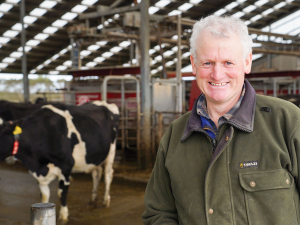
In Dacre, near Invercargill in New Zealand’s South Island, Bruce Dinnington is running a dairy operation unlike any other.

A free online platform aggregating governance vacancies across rural and regional New Zealand has been launched.
Environment Minister Nicola Grigg has announced details of a new rural plastics recycling scheme.
Agricultural drone operators say that a government decision to allow lower-risk drone work without certification won’t lower standards but drive innovation and efficiency.
OPINION: Warning bells are ringing in the arable sector.
Farmgate lamb prices are down by 8%, beef cattle by 4.5% and farm expenditure up by 4.2%.