TB plan review to focus on possum hot spots
New Zealand is closer to eradicating bovine TB than ever before, but possums remain a threat, says Beef + Lamb New Zealand.
 increase font size

THE HARD work of TB vector control is starting to pay dividends across the Central North Island.
Last week the Animal Health Board announced a total of 2450 cattle and deer herds across the region Island have had their bovine tuberculosis (TB) movement control restrictions or testing requirements reduced.
AHB technical and farm services manager Stu Hutchings says the reduction is due to falling herd infection rates and a strong focus on TB-infected wildlife control.
“This has been achieved through focused possum control and other wildlife surveillance to assess whether TB is still present in an area.
“However, it would not have been possible without the help and co-operation of farmers,” he adds.
AHB’s revised TB control strategy aims to eradicate TB from wild animal populations, which will lead to even less herd testing in the future. Infected wild animals, particularly possums, continue to be the main carrier of TB and source of the disease in farmed cattle and deer.
The changes to the movement control restrictions will affect herd owners in the northern tip of the Central North Island Movement Control Area (MCA) from March 1, 2012.
“The change to the MCA boundary will remove the need for pre-movement herd testing of 199 cattle and deer herds,” says Hutchings.
Of the 2450 affected herds, more than 2250 will benefit from less TB testing due to changes in Special Testing Area policies in the North Island.
Hutchings says AHB is “proud to once again deliver some direct benefits to registered cattle and deer herds.”
Central North Island deer farmer Leith Chick, who has had his herd movement restrictions revoked, says it’s a major step forward for TB control in the area.
“Farmers’ continued support and compliance with the TB control strategy has contributed greatly to the reduction in the Central North Island MCA and changes to testing requirements,” says Chick. Affected herdowners will be notified of when their next test is due, or can visit www.tbfree.org.nz/dcamap to check if they have been affected by the changes.
New Zealand is closer to eradicating bovine TB than ever before, but possums remain a threat, says Beef + Lamb New Zealand.

As an independent review of the National Pest Management Plan for TB finds the goal of complete eradication by 2055 is still valide, feedback is being sought on how to finish the job.
The move to bring bovine TB testing in-house at Ospri officially started this month, as a team of 37 skilled and experienced technicians begin work with the disease eradication agency.
New Zealand's TBfree programme has made great progress in reducing the impact of the disease on livestock herds, but there’s still a long way to go, according to Beef+Lamb NZ.
OSPRI will carry out on-farm TB testing, following AsureQuality's decision not to renew their contract.



Federated Farmers says it welcomes Labour's commitment to reviewing the Sharemilking Agreements Act, calling on other major parties to do the same.
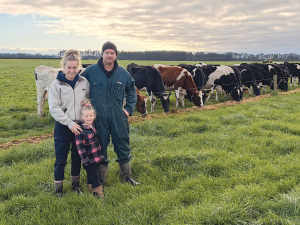
For Canterbury dairy farmers Sian Meijer and Rick Wobben, wearable technology has become one of their most valuable on-farm tools - helping manage 1850 cows across an expansive, high-performing dairy operation while improving efficiency, mating outcomes and day-to-day decision making.
Fonterra has unveiled its annual results for the 2026 financial year, posting $27 billion in revenue and close to $20 billion returned to New Zealand farmer owners and unit holders.
The first major update to the Dairy Cattle Code of Welfare in more than a decade has been released, marking what DairyNZ describes as an important step in ensuring animal welfare standards continue to evolve alongside scientific evidence and on-farm realities.
Ravensdown shareholders have elected Jane Montgomery and Kate Acland to the Ravensdown Board for three-year terms, following a closely contested director election.
Federated Farmers says new legislation replacing the Resource Management Act will cut red tape, unlock investment and help grow New Zealand's export-led economy, after the Planning Bill and Natural Environment Bill passed their third reading in Parliament yesterday.