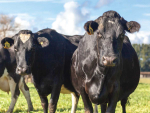
BCS Targets: Why Body Condition Score Matters at Calving
Body Condition Score (BCS) is a critical element in managing the health and reproduction of the dairy herd.
 increase font size

It's the calm before the calving season and a bit of planning now will help herds get through without the risk of metabolic disorders, such as milk fever, which can lead to downer cows or impact future milk production, claims mineral supplier SealesWinslow.
These disorders are prevalent just before or after calving, triggered by an inability to mobilise enough calcium. Subclinical cases of milk fever can be hard to pick up, with industry data indicating that for every downer cow it is likely that between 10 and 15 others in the herd will have early stage milk fever symptoms.
“It’s estimated that the cost of a clinical case of milk fever can reach up to $1,500 per cow – including lost milk production, reduced fertility, and increased likelihood of culling due to other diseases such as mastitis. Not only is the risk a costly one, it’s also unnecessary,” says SealesWinslow’s Jackie Aveling.
She says there is a clear link between nutrients and vitamins, and reproduction and lactation in dairy herds.
“Using supplements pre and post calving is a good preventative strategy for metabolic diseases and also sets up cows well for lactation post calving. What’s important is ensuring supplements are readily available well before the calving really picks up from July.”
Dehydrated molasses blocks, such as Crystalyx Dry Cow can be used as a sole source supplement, and need to be available to stock for 60 days prior to calving and then throughout the colostrum period. The dehydrated molasses helps to ensure cows get the right intake, and the minerals and vitamins help to improve the general immunity of the cow.
Aveling says other options include SealesWinslow’s Cattle High Magnesium Block or the Cattle Winter Crop Block. Both are suitable for farmers who want cost-effective delivery of pre-calving magnesium supplementation as part of a programmed approach, and will help ensure stock receive the minerals and trace elements they need.
Aveling says farmers participating in the trials also commented that cows on Crystalyx were calmer, quiet and settled well into milking.
Body Condition Score (BCS) is a critical element in managing the health and reproduction of the dairy herd.
The transition period is the make-or-break window for your entire season. If this period is poorly managed, you don't just see a few downer cows, you see a downward spiral that affects the cow's health, production and reproduction long into the season.
Giving calves the best possible start to life has been shown to boost growth and resilience.
The first weeks of a calf's life quietly shape the future of the entire herd.
In calf rearing, the smallest details often have the biggest impact. While feed and genetics remain critical, bedding is increasingly recognised as a key driver of calf health, growth, and overall performance.



Federated Farmers says it welcomes Labour's commitment to reviewing the Sharemilking Agreements Act, calling on other major parties to do the same.
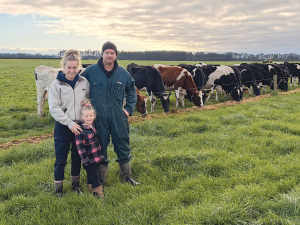
For Canterbury dairy farmers Sian Meijer and Rick Wobben, wearable technology has become one of their most valuable on-farm tools - helping manage 1850 cows across an expansive, high-performing dairy operation while improving efficiency, mating outcomes and day-to-day decision making.
Fonterra has unveiled its annual results for the 2026 financial year, posting $27 billion in revenue and close to $20 billion returned to New Zealand farmer owners and unit holders.
The first major update to the Dairy Cattle Code of Welfare in more than a decade has been released, marking what DairyNZ describes as an important step in ensuring animal welfare standards continue to evolve alongside scientific evidence and on-farm realities.
Ravensdown shareholders have elected Jane Montgomery and Kate Acland to the Ravensdown Board for three-year terms, following a closely contested director election.
Federated Farmers says new legislation replacing the Resource Management Act will cut red tape, unlock investment and help grow New Zealand's export-led economy, after the Planning Bill and Natural Environment Bill passed their third reading in Parliament yesterday.