BVD Control Begins Long Before You See A Problem
Bovine Viral Diarrhoea (BVD) is sometimes viewed as a dairy industry issue, but the reality is that the disease can have serious consequences for beef breeding herds as well.
 increase font size
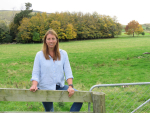
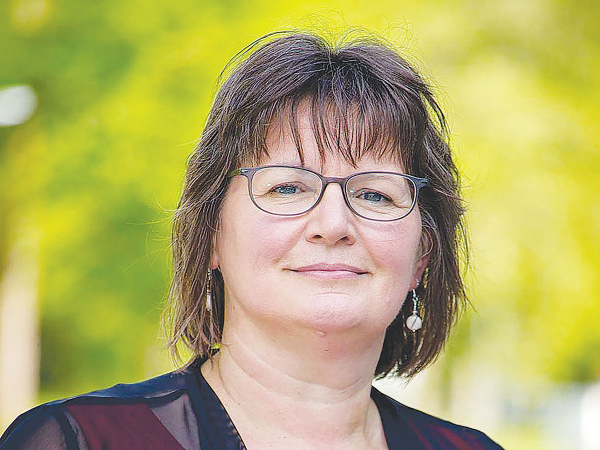 Massey University epidemiologist Dr Jackie Benschop.
A large new study into leptospirosis in NZ has revealed new facts about how this infectious disease may be caught by various people working in the rural sector.
Massey University epidemiologist Dr Jackie Benschop, who’s an internationally recognised expert in the disease, recently hosted an online hui to disseminate the results of the study. It attracted up to 160 people from the wider rural, health and government sectors. The study took two years to complete and involved questioning nearly 100 people who’d had lepto, plus a group of 300 rural people as controls.
Benschop says it’s well known that the disease disproportionally burdens rural people and Māori – in particular those who work around livestock as well as meat workers. But in addition to the well-known group who contract lepto, she says the study revealed some other occupational groups on the periphery of these.
“People for example who do different things such as teat sealing, people who are TB technicians and stock truck drivers,” she told Rural News.
“In effect, anyone who may be at risk of urine or faeces splash. I guess we have identified some industry risk profiles that we weren’t aware of before, but their inclusion in the wider group makes sense.”
Benschop says because of the comprehensive nature of the survey they were able to get a much wider appreciation of occupations who might be affected by lepto and also some of the possible pathways for contracting the disease.
“This will enable us to enhance the advice we give to help keep people safe. Many of our participants reported contact with pests, not necessarily associated with their work,” she explains. “For the first time in NZ, we have quantified the risk associated with rodents. Cases were twice as likely to have seen evidence of rodents as controls were.”
Benschop adds that the study also showed if a person cuts or scratches themselves and doesn’t cover it up, they were six times more likely to contract the disease than those who did have a cut but covered it. She says a similar risk of contracting lepto was seen in those who hosed urine or faeces off a surface, like in a dairy shed or a slaughter house – compared to those who didn’t do this hosing.
“Previous studies overseas have identified these risks for contracting lepto. What is interesting with our study is that these risks remain after we adjust for occupation, as does contact with beef and dairy cattle,” she says.
The other standout finding in the study was the association between lepto and water from a creek or rain source, suggesting water could act as a vector for lepto in NZ. Benschop says about 15% of people in the study had their work water supply from creeks or rain water and that this was largely untreated.
“This is an interesting finding and one that we want to look more at,” she adds. “We do not yet have evidence to say this water was the transmission route for lepto, but we are saying it is associated with the disease and we want to have further discussions with all parties interested in this finding. I am confident there are real associations.”
Benschop is not saying these are causative, but reckons they make biological sense and there is evidence to this effect in overseas studies.
Benschop believes water plays a major role in cleaning on and off farm and it is a risk factor that needs more research. She says the same could apply to untreated household water supplies where people clean themselves after work.
Bovine Viral Diarrhoea (BVD) is sometimes viewed as a dairy industry issue, but the reality is that the disease can have serious consequences for beef breeding herds as well.

Animal health company Bovonic is gearing up for its next stage of growth after increasing New Zealand sales of QuadSense by more than 50% in the last 12 months, including a record quarter for the business this year.
With lambing underway in many regions, Beef + Lamb New Zealand is encouraging farmers to put together a wellequipped lambing kit to help minimise lamb losses, particularly in bad weather.
Researchers at Massey University are using a special piece of scientific equipment to improve the measurement of greenhouse gas emissions from pasture soils.
Bovine Viral Diarrhoea (BVD) remains one of the most significant infectious diseases affecting New Zealand dairy herds.


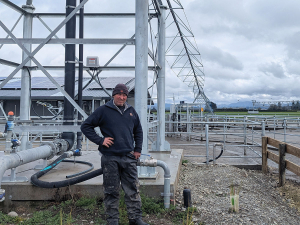
Converting a longstanding cropping farm to dairy was the only way to ensure the land stayed in the family long term, says new dairy farmer Rod May.

As the election heats up, Organics Aotearoa New Zealand (OANZ) has launched its election scorecard designed to help voters wanting to support policies that grow organic and New Zealand's organic sector.
A 'tsunami' of milk from key exporting countries is winding down and this may be good news for New Zealand dairy farmers.
Will the good times last? That's one of the key issues to come out of the latest Federated Farmers confidence survey.
Outgoing Fonterra Co-operative Council chair John Stevenson says that it has been a privilege to represent the co-op's farmer shareholders.
Have a plan in place for your cows and staff.