fbpx
Print this page
Thursday, 19 June 2025 12:55

Beef + Lamb NZ launches survey to understand facial eczema’s social impact

Written by  Staff Reporters
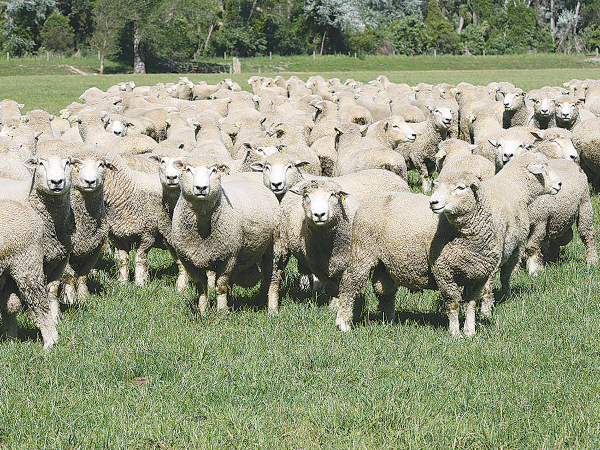
Facial eczema is a challenging disease to identify early and manage. Facial eczema is a challenging disease to identify early and manage.

Beef + Lamb New Zealand (B+LNZ), in partnership with the Ministry for Primary Industries (MPI) and other sector organisations, has launched a national survey to understand better the impact of facial eczema (FE) on farmers.

The Social Impacts Survey is part of the broader Eliminating Facial Eczema Impacts (EFEI) programme - an industry-wide effort to reduce and ultimately eliminate the devastating impacts of FE on New Zealand's livestock industries.

The social impacts survey forms part of the programme's journey to understand FE and its effects on farmers. Other projects contributing to the understanding of these impacts include the Sheep Poo Study, which is entering its third and final season. This study plays a key role in assessing the spread and severity of FE. Earlier this year, an economic survey illuminated the financial impacts of FE, and this social survey is equally crucial.

FE affects more than profit and on-farm productivity; it impacts farmers' sense of purpose, self-worth, and relationships with their animals and families. B+LNZ says the human side of the story has been underreported.

"Facial eczema is a challenging disease to identify early and manage. It affects the animals but also impacts their caretakers, leading to broader consequences for the entire farm business and other relationships," says Dr Suzi Keeling, head of science and research at B+LNZ.

"We know farmers are deeply connected to their animals; when animals suffer, it can take a real emotional toll."

The survey seeks input from sheep, beef, dairy, deer, and camelid (alpaca and llama) farmers.

There is a separate survey for rural professionals like veterinarians and farm advisors.

Participants will help get a better understanding of the effects on individual farms and support practical support tools, and on-farm strategies to reduce the burden of FE. The 15-minute survey is open until Friday 18 July 2025. For every completed response, B+LNZ will donate $10 to a charity supporting rural wellbeing.

"Let's work together to tackle FE and support the wellbeing of our farming communities," says Keeling.

More like this

Three Pillars of BVD Control

Solid biosecurity practices, regular monitoring and timely vaccination are the three key pillars of effective Bovine Viral Diarrhoea (BVD) control on New Zealand farms. Zoetis veterinary technical advisor, Karley DeFrees, explains BVD is a costly but preventative disease that impacts a significant number of dairy farms in New Zealand. Implementation of a BVD control plan can help protect your herd from this avoidable disease.

Clostridial Disease in Lambs: NZ Vaccination Guide

Although preventable, lamb loss from clostridial diseases during the first year of life on New Zealand hill country farms continues to be an issue. A field trial, where lambs were vaccinated at docking and weaning, demonstrated that vaccination was highly effective, lowering clostridial deaths by 23%. Zoetis veterinarian Dr Victoria Chapman unpacks the importance of robust animal health programmes, vaccination timing and the potential harmful consequences for stock when vaccination isn't given.

BVD Control in Dairy Herds: How to Find & Remove PI Animals

Bovine Viral Diarrhoea (BVD) is estimated to cost New Zealand's dairy and beef industries more than $150 million every year, yet many of the tools needed to control it are already well understood. After more than 25 years in veterinary practice, Andrew Weir, animal health technical specialist at LIC, has seen firsthand the impact BVD can have on herd performance. We asked him about the role of persistently infected (PI) animals and the practical steps farmers can take to reduce their risk.

Transition Period: The Make-or-Break Window for Dairy Cows

The transition period is the make-or-break window for your entire season. If this period is poorly managed, you don't just see a few downer cows, you see a downward spiral that affects the cow's health, production and reproduction long into the season.

Featured

Sharemilkers Credit DairyBase Tool for Staffing Decisions

Signing up to a benchmarking tool is not about competition, but about improving collectively, says Ximena Puig and Alvaro Luzardo who are 50-50 sharemilkers at a 164-hectare (effective) dairy farm in Eketāhuna in the Lower North Island.

National

Machinery & Products