Dairy power
OPINION: The good times felt across the dairy sector weren't lost at last week's Beef + Lamb NZ annual meeting.
 increase font size
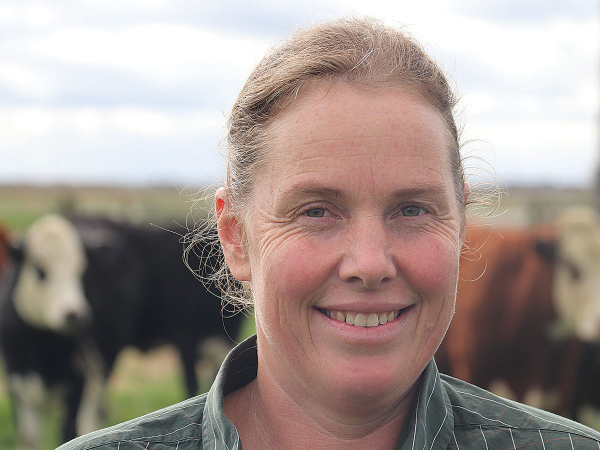 Geneticist Rebecca Hickson.
Nothing beats the best bull. That’s the key message coming out of a series of workshops being run by Beef + Lamb NZ around the country.
The objective is encouraging dairy farmers to produce some calves more suitable for the beef industry that offer greater financial returns to both beef and dairy farmers.
The aim of the seminars is to bring dairy farmers, calf rearers and beef finishers together so they can see the benefits of working closely together.
About two-thirds of the beef kill comes from the dairy industry. Some would argue the calf produced by a dairy cow is a by-product because the dairy farmer wants the cow to produce milk and provide replacement animals – hence bobby calves.
Professor Rebecca Hickson is one of the country’s leading geneticists and is a specialist in dairy beef. She says currently the calf is produced with an emphasis on what the dairy farmer needs: short gestation and easy calving.
The end game, she says, is that’s what the beef industry gets, rather than getting a calf that benefits the industry further down the line, which is the growth the industry needs.
Hickson says the answer is quite simple – quality genetics.
“The real value of using quality genetics in the dairy industry is not widely understood. The challenges come down to the fact that the person buying the straw for the dairy cow is not the person who gets the value from the growth genetics,” she says.
Hickson says progeny tests show that it’s possible, with good genetics, to deliver what the dairy farmer wants and what the beef industry needs, with no compromise needed and no real increase in cost for the dairy farmer.
Hickson says many myths exist around the dairy/beef sector. Some people say one breed of cattle is better than others, but she points out that no one breed of bull is perfect and that bulls from all breeds have traits which deliver high performing progeny. She says there is a belief that sometimes a calf that is born large will grow larger, but this is not necessarily correct.
“In fact, there is data to suggest that the small calf may in many cases being the best bet. This is because the beef breeders have done a phenomenal job of creating ‘curve bender bulls’ – meaning that while a calf may be born small, it will grow fast, will calve easily, and is at least, if not more valuable than the larger calf, she says.
Hickson says some farmers claim that feeding calves well means they don’t need better genetics, but in the end, better genetics will always be the winner. She says using high performing AI bulls is the answer, but if farmers still want to use a bull, they should select a good one.
LIC's Perspective
LIC's expert in this area, Paul Charteris, says his organisation is now seeing more interest from farmers to produce better dairy beef. He says LIC is getting more requests every year for beef insemination into dairy cows.
He says one of the messages from LIC to farmers is to use AI “tactically”.
“That means identifying those cows with the lowest BW and mating them on day one of the mating season with the right semen, at the right time of the mating season, so that you get good big, strong early-season calves that are well marked and are salable,” he says.
Charteris says the thing with dairy beef is the eye muscle has to be rounded so it can be used by chefs. He says LIC is selecting bulls with a very high eye muscle area and also good marbling so when crossed over dairy cattle, they produce an acceptable carcass for the processor.
OPINION: The good times felt across the dairy sector weren't lost at last week's Beef + Lamb NZ annual meeting.
Beef + Lamb New Zealand (B+LNZ) is calling on livestock farmers to take part in a survey measuring the financial impact of facial eczema (FE).
Beef + Lamb New Zealand (B+LNZ) chair Kate Acland says there are clear governance processes in place to ensure fairness and transparency.
The red meat sector is watching anxiously as the US embarks on a tariff war with its key trading partners.
Beef + Lamb NZ wants farmers to complete a survey that will shed light on the financial toll of facial eczema (FE) at the farm level.

Farmer-owned fertiliser company, Ballance Agri Nutrients is welcoming National’s plan to negotiate security agreements with key supplier countries to protect New Zealand-bound products from export restrictions and greater supply chain certainty.
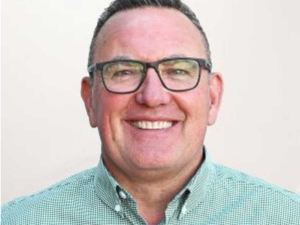
Carrfields has announced the appointment of Stu Hall to the newly created role of chief operating officer, Carrfields Ltd, reflecting the continued growth of their agribusinesses and the need to ensure the company has the leadership capacity and support in place as it pursues the emerging opportunities ahead.
New Zealand's role is not to compete with Indian growers, according to NZ Apples and Pears.
The potato industry is celebrating the success of two rising stars - James Blair, the 2026 Young Grower of the Year and runner-up and innovation award winner, Amber Davy.
Twenty-eight emerging leaders from across the horticulture sector spent two days last month learning valuable skills and connecting with industry experts.
There are five entrants in this year’s Young Horticulturist of the Year, competing in a series of technical, practical, business and leadership challenges.