Rabobank Launches HortPathways for Emerging Hort Leaders
Twenty-eight emerging leaders from across the horticulture sector spent two days last month learning valuable skills and connecting with industry experts.
 increase font size
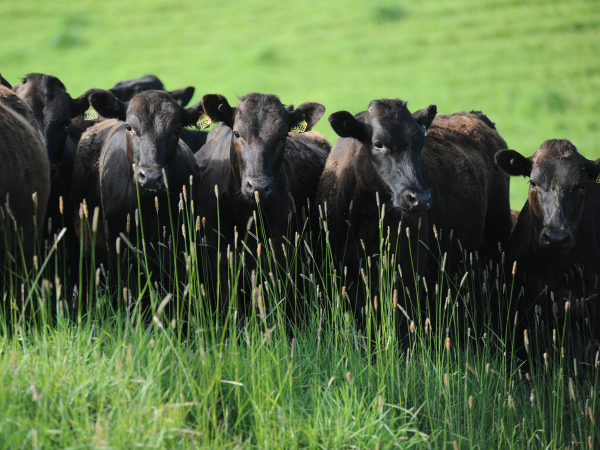 Rabobank say they expect solid returns from key export markets.
Strong demand and limited cattle supplies saw cattle prices rise across most major cattle producing countries.
Australian and Brazilian prices (in US$) in particular are currently trading 36% and 23% higher, respectively, than a year ago.
Australia
Ongoing favourable seasons have supported strong domestic producer demand and sustained record cattle prices into 2021.
The Eastern Young Cattle Indicator (EYCI) averaged AU$ 8.67/kg in January, 64% higherYOY.
Heavy steer (300kg-400kg cwt) prices averaged AU$ 6.47/kg, 19% higher YOY.
Restocking and herd rebuilding activities continue to dominate the market.
We expect this producer demand will remain strong through Q1 before easing into Q2.
Brazil
A lack of supply has pushed live cattle prices further into record territory after reaching a temporary peak in November 2020.
Prices in January 2021 (BRL 289.01/15kg) are 49.7% higher YOY.
A lack of supply has pushed live cattle prices further into record territory after reaching a temporary peak in November 2020.
Prices in January 2021 (BRL 289.01/15kg) are 49.7% higher YOY.
The normal seasonal increase in cattle supply, which usually starts in January, has been delayed due to poor pasture conditions caused by delayed and below average rainfall.
We don’t believesignificant increases in supply will occur until March and April, and, as a result, prices should remain at high levels in the short term.
China
Beef prices in China continue to rise despite a new wave of Covid-19 causing lockdowns and reduced foodservice demand.
Retail beef prices reached CNY 88/kg in January, up 7% YOY.
Meanwhile, pork prices only rose 1.3%, and white broiler fell 8.3%.
Strong beef prices reflect seasonal demand ahead of Lunar New Year but also the low supply, attributed to limited local production and delayed circulation of imported beef given strict inspection for Covid-19.
China’s beef imports reached 2.12m metric tons in 2020, up 27.7% YOY, despite the disruptions (including license suspension on some exporters and strict import inspection at ports).
Imports from Australia, Uruguay and New Zealand have declined, but imports from Brazil, Argentina, and the US have increased strongly.
Europe
We expect EU27+UK beef production to contract by 2% in 2021.
Reduced cattle inventories in main markets such as Ireland, UK, Germany and France will be a lead cause.
Meanwhile in Poland, increasing feed costs as a result of dry weather conditions are reducing profitability and are expected to cause setbacks in production.
2020 was a challenging year for the beef sector in the EU27+UK due to disruptions in both supply and demand as the Covid-19 pandemic unfolded.
The average beef carcass price in the EU at the end of 2020 came close to 2019 levels.
Downward price pressure is expected in Q1 2021, as foodservice remains restricted across Europe.
US
The strength in the futures market is sending a strong message to producers that the market will be getting better and to delay marketing or push cattle forward.
Fed cattle prices have traded in a narrow price range for the year to date (US$ 109/CWT to US$ 114/CWT).
Meanwhile, live cattle futures have been trading US$ 6/CWT to US$ 12/CWT above the cashmarket.
Active fund buying and additional stimulus money reaching consumers is fuelling this lift in futures.
Beef demand did show signs of slowing during Q4 but, all indications are that demand has returned.
Exports remain strong and beef cut-out values are as much as US$ 25/CWT above a year ago in spite of the increased production.
NZ
After falling through Q4 of 2020, cattle prices have seen a lift in the new year.
The North Island bull price as of 8 February at NZ$ 5/kg was equal to its position in 2020 and 1.3% lower than the five-year average.
A very strong US market, despite all the challenges with Covid-19 and slower economic conditions, has seen US domestic trimmings prices lift through December and January and this has flowed through to imported trimmings prices.
This lift in prices is further supported by the much reduced volumes of Australian exports.
Export markets continue to perform relatively well. However, a stronger NZ$ is not helping NZ farmer returns despite the lift in US imported lean beef prices.
The average per unit value for exports to the US fell 5% to NZ$ 7,142/metric ton in December.
Meanwhile, volumes and values of beef exports to China increased through Q4 of 2020.
Rabobank expects solid returns from key export markets to see farmgate prices generally hold firm next quarter, with some potential for upward pressure.
Twenty-eight emerging leaders from across the horticulture sector spent two days last month learning valuable skills and connecting with industry experts.

A 'tsunami' of milk from key exporting countries is winding down and this may be good news for New Zealand dairy farmers.
Chinese beef trade quotas and a looming suspension of Brazilian beef imports into the European Union are expected to reshape global beef trade flows over the remainder of 2026, with implications for New Zealand exporters, according to Rabobank's Q3 Global Beef Quarterly report.
New Zealand consumers are paying more for beef mince than ever before, with the average retail price now sitting above $24 per kilogram, according to Rabobank.
West Otago dairy farmer Luke Kane has been awarded the 2026 Rabobank Dr John Morris Business Development Prize.


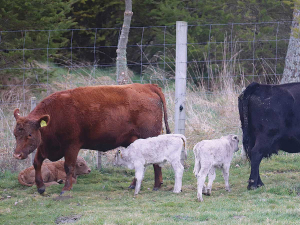
A major move is about to get underway to improve the quality and viability of dairy beef and cattle in NZ.
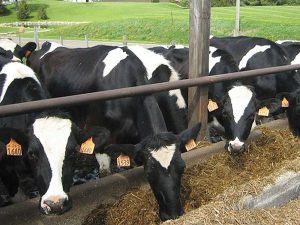
Veterinarians say changes to the code of welfare for dairy cattle provides a positive foundation for improved cattle welfare across the country.
Today, 15 October, is the International Day of Rural Women, which recognises rural women’s contribution to farming, communities and the environment.
Global dairy giant Lactalis has integrated its Australian operations with the Mainland Dairy consumer business it acquired from Fonterra earlier this year.
After almost two decades of sharemilking, saving and building equity, Aaron and Marcia Flay this year realised their long-held dream of settling on their first dairy farm.
Good medium to long term prospects for NZ beef, especially in the US, has heighted the focus on various initiatives to capitalise on this situation.