M.I.A.
OPINION: The previous government spent too much during the Covid-19 pandemic, despite warnings from officials, according to a briefing released by the Treasury.
 increase font size
 RMPP Action Group facilitator John Stantiall says farmers adapted to digital meetings better than he expected. Photo: file.
Red Meat Profit Partnership (RMPP) Action Group facilitator John Stantiall was unsure, at the start of the Covid-19 lockdown, how meetings could work.
“But then I discovered Zoom and farmers adapted to that far better than I expected,” he says.
Stantiall, who is an agricultural consultant with Perrin Ag, facilitates eight Action Groups. His groups broke their usual full-day, on-farm meetings down into three Zoom meetings – including ‘virtual farm visits’.
He was also a regular participant in the weekly online support meetings RMPP invited all their facilitators to join throughout alert levels 3 and 4. This enabled them to share experiences and advice around the different online tools they were using.
Since July 2019, RMPP had already been running monthly online meetings, which all facilitators could participate in. However, during lockdown these were held weekly to provide additional support and advice about facilitating remotely and using online tools, and to practice using them. The number of participants increased significantly.
“We are in contact with all our facilitators regularly,” says Denise Bewsell, extension specialist for the RMPP Action Network.
“We get to hear what is happening with each of the groups but thought it would be great for facilitators to be able to share experiences and practical tips directly. We always say that ‘farmers like to talk to farmers’ – and facilitators like to talk to facilitators,” she adds.
“Increasing that to weekly meetings worked really well. There were really varied responses from facilitators at the start of lockdown in terms of how they felt online meetings would work. Some were confident it would work, while others felt it would be hard and were concerned about broadband or that farmers would not have the right equipment.
“It was really good for them to talk about their experiences and for those who were concerned to talk with other facilitators who were already trying it. We very quickly had people asking each other a lot of questions, such as ‘how is shared Google Docs working for you’ or ‘how are you finding using Chatbox?’ Shared experience really supported people in getting started with online meetings.”
The facilitator meetings will also include sessions with subject matter experts including Australians Dr Ruth Nettle, an authority on extension in rural change, and extension specialist John James. Another upcoming talk is planned with sport development consultant Hugh Galvan of Sport New Zealand.
Stantiall says that he found the RMPP weekly meetings incredibly supportive and kicking off online Action Group meetings with a relaxed approach worked well.
“In the early ones, in particular, farmers were still facing a lot of issues alongside the lockdown,” he says. “It was still very dry, and many needed to sell stock. They really appreciated the meetings continuing and being able to just talk to other farmers.
“Without Zoom it would have been difficult to have any meetings at all and that could also potentially have been a threat to my work.”
Stantiall also sees greater opportunities for engaging with farmers remotely in the future.
“This has opened up a whole new range of opportunities for expert speakers,” he says.
“Coming out of lockdown, we have had Action Group meetings back on farm and we have enough to focus on in the short to medium term, but in the longer term planning, options will include getting expert speakers via Zoom for a lot less cost, when you don’t have to take travel and accommodation into account.”
OPINION: The previous government spent too much during the Covid-19 pandemic, despite warnings from officials, according to a briefing released by the Treasury.
OPINION: Labour leader Chris 'Chippy' Hipkins is carrying on the world-class gaslighting of the nation that he and his cohorts started after their disastrous Covid response; now trying to undermine the Covid inquiry to protect his own backside.
OPINION: Did former PM Jacinda Ardern get fawning reviews for her book?
OPINION: Welcome to the second annual NZ Dairy Expo at Matamata – an event created to bring together the best of the New Zealand dairy industry in a focused, grassroots environment where dairy farmers and rural professionals can meet, talk, compare products, and make smart decisions for their farms.
It's a bloody tough year for sheep farmers, but the worst may be over, and the future looks optimistic.


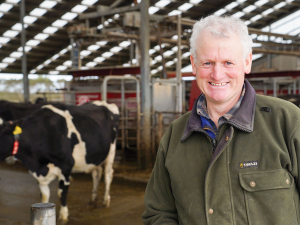
In Dacre, near Invercargill in New Zealand’s South Island, Bruce Dinnington is running a dairy operation unlike any other.

A free online platform aggregating governance vacancies across rural and regional New Zealand has been launched.
Environment Minister Nicola Grigg has announced details of a new rural plastics recycling scheme.
Agricultural drone operators say that a government decision to allow lower-risk drone work without certification won’t lower standards but drive innovation and efficiency.
OPINION: Warning bells are ringing in the arable sector.
Farmgate lamb prices are down by 8%, beef cattle by 4.5% and farm expenditure up by 4.2%.