James Blair Named 2026 Young Grower National Champion
James Blair, an agronomist for AS Wilcox and the Pukekohe regional champion, has won the 2026 Young Grower national title.
 increase font size
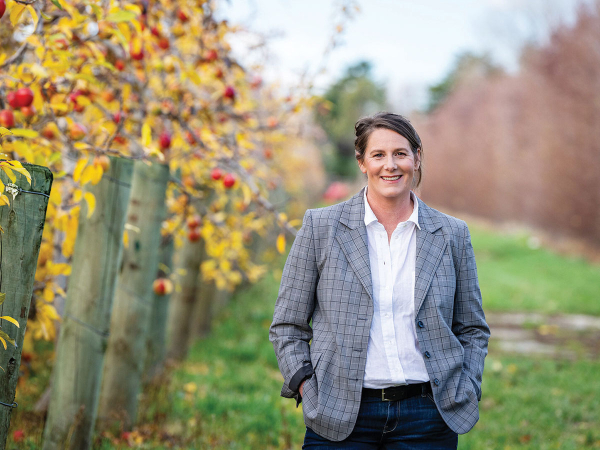 Kate Scott, HortNZ chief executive.
Horticulture NZ says the funding boost to improve state highway resilience will support growers and strengthen the transport links they rely on to get produce to market.
The Government has set aside $400 million for state highway resilience projects to improve the reliability of key routes during and after severe weather events.
Projects funded through the package include resilience improvements on SH2 through the Waioweka Gorge and SH25 around the Coromandel.
Kate Scott, chief executive of HortNZ, says the funding recognises how important reliable and resilient transport networks are for getting fresh produce to market across New Zealand.
“Many growing regions rely on a small number of key routes or packaging hubs, which creates real risks for perishable crops that need to reach domestic and international consumers quickly and efficiently," Scott says.
“Reliable and resilient transport linkages are important to the sector achieving its goal of doubling farmgate value of New Zealand’s horticultural production by 2035.”
The largest regions for horticultural production are Bay of Plenty and Hawke’s Bay - the produce generated in each region exceeds $5 billion (total) in value. Both are heavily export- focused and infrastructure disruption in either would put significant export earnings for New Zealand in jeopardy.
Fresh produce can move four or more times between paddock and consumer, including packhouse, wholesaler, distribution centre, and retailer, and transport disruption at any point can compromise quality.
“Horticulture production, packing and distribution is concentrated in the ‘golden triangle’ of Auckland, Waikato and the Bay of Plenty. About 50 per cent of New Zealand’s inter-regional horticulture produce movements transit over Waikato region roads.
“In Gisborne, only eighteen per cent and Northland, four per cent of produce packed in the regions is also distributed in the regions. That means inter-regional transport links are particularly critical but both have primary transport routes that are vulnerable to disruption.”
A recent study commissioned under the Aotearoa Horticulture Action Plan (AHAP) highlighted the vulnerability of the Waioweka Gorge section of SH2, finding the route supports up to $112 million of produce movement out of the Gisborne region.
Its closure in February due to slips reinforced how significant the impacts of disruption can be for growers, says Scott.
“Safeguarding critical transport routes and reducing the risk of cascading delays are central to protecting shelf life, meeting market requirements, and ensuring the best possible returns for growers and the New Zealand economy.”
James Blair, an agronomist for AS Wilcox and the Pukekohe regional champion, has won the 2026 Young Grower national title.
Blueberries have the potential to become a major horticultural export, earning up to $150 million within the next three to five years.
New Zealand needs to make sure that it continues to focus on its own food security, according to HortNZ board member and blueberry grower Dermott Malley.
According to a progress report on the Aotearoa Horticulture Action Plan (AHAP), New Zealand's horticulture sector is making real progress on the big issues facing growers.
Horticulture New Zealand’s Board has welcomed the re-election of grower-elected directors Alistair Petrie and Doug Brown.


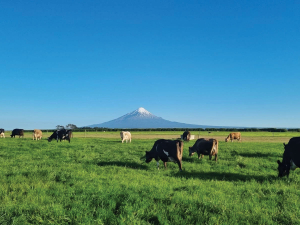
A spate of southerly winds bringing cold temperatures has presented challenges for Taranaki dairy farmers.
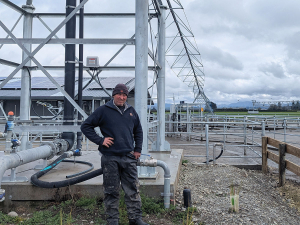
Converting a longstanding cropping farm to dairy was the only way to ensure the land stayed in the family long term, says new dairy farmer Rod May.
As the election heats up, Organics Aotearoa New Zealand (OANZ) has launched its election scorecard designed to help voters wanting to support policies that grow organic and New Zealand's organic sector.
A 'tsunami' of milk from key exporting countries is winding down and this may be good news for New Zealand dairy farmers.
Will the good times last? That's one of the key issues to come out of the latest Federated Farmers confidence survey.
Outgoing Fonterra Co-operative Council chair John Stevenson says that it has been a privilege to represent the co-op's farmer shareholders.