NZ and Chile Sign New Agricultural Cooperation Deal
New Zealand and Chile have signed a new arrangement designed to boost agricultural cooperation and drive sector success.
 increase font size
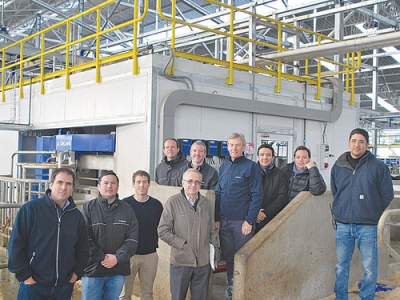 Staff at Fundo El Risquillo, a large farm in Chile are eagerly awaiting the installation of 64 DeLaval VMS milking robots, making it the world’s largest robotic milking farm.
A 6500-head dairy farm in Chile will become the world's largest robotic dairy after signing an agreement to install 64 DeLaval VMS milking robots.
The farm, owned by AgrÌcola Ancali and part of the Bethia Group, already has 16 DeLaval VMS installed and averages 45.2 litres for the 920 cows going through the robotic milking system.
Ancali AgrÌcola chief executive, Pedro Heller, says the expansion follows good results from first stage of the robotic dairy.
"We started using robots for 500 cows, and when we saw the economic benefits and we realised that it was possible to improve production per cow by 10% and reduce the stress of the cow so we decided to further explore," he says.
"During the second stage we decided to modify the farm, changing our conventional milking system for an automatic milking system.
"The plan is to have our best 4500 cows milked by DeLaval VMS and we believe we have a perfect set up should we decide to grow more in the future."
The farm also includes a ventilation system, cow cooling, rubber flooring, swinging cow brushes, water troughs and illumination.
When the new installation is complete, 4500 cows will be milked robotically while one rotary will remain for fresh and special needs cows. There are currently four rotaries in operation today.
The first DeLaval VMS installation took place with eight milking robots in October 2014. By early 2017, 64 DeLaval VMSs will be installed making the farm the largest robotic milking farm in the world.
The El Fundo Risquillo farm is located 500km south of Santiago and is part of a larger operation including a beef farming operation and a stud farm.
New Zealand and Chile have signed a new arrangement designed to boost agricultural cooperation and drive sector success.

The fight for global customers by fruit producers and marketers is on.
Machinery manufacturer John Deere and livestock specialists DeLaval have pooled their resources to create the Milk Sustainability Center (MSC), described as a digital ecosystem to help dairy farmers improve the efficiency and sustainability of their operations.
A group of New Zealand farmers and investors stand to lose millions of dollars following the collapse of one of Chile's largest dairy businesses.
Milking specialist DeLaval plans to increase its production capacity of automatic milking machines to meet rising customer demand.
Chinese beef trade quotas and a looming suspension of Brazilian beef imports into the European Union are expected to reshape global beef trade flows over the remainder of 2026, with implications for New Zealand exporters, according to Rabobank's Q3 Global Beef Quarterly report.
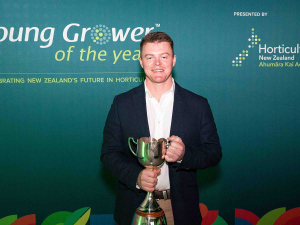
James Blair, an agronomist for AS Wilcox and the Pukekohe regional champion, has won the 2026 Young Grower national title.
An Auckland gelato shop and an established New Zealand ice cream maker have both been named Supreme Champions at the NZ Ice Cream & Gelato Awards 2026.
As the cost-of-living crisis continues to put pressure on household grocery budgets, new figures show pork remains one of the most affordable fresh meat options for New Zealand families.
OPINION: In politics, credibility is and should be big. It must surely rank higher than charisma, which is quite trite and superficial. Yet, voters nowadays are often wooed and influenced by how someone looks or talks at a superficial level. TV plays a huge role in this.
Farmers can spend less time on paperwork, thanks to a new data sharing agreement between DairyNZ’s DairyBase and LIC’s MINDA software.