EU dairy co-ops to merge
Two European dairy co-operatives are set to merge and create a €14 billion business.
 increase font size
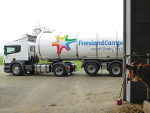
 Dutch co-op FrieslandCampina has turned 150.
One of the world's largest dairy co-operatives celebrated its 150th birthday this month.
FrieslandCampina is owned by 17,000 dairy farmers from the Netherlands, Belgium and Germany.
Its history dates back to 1871, when a group of farmers established the founding company in the Netherlands.
The following year, 20 farmers in the Dutch village of Wieringerwaard, in North Holland, decided to collaborate. Together, they bought a building, two cheese tubs and a weighing scale. Soon after they appointed a cheesemaker, and this marked the first official cooperation of farmers.
In Friesland, a northern province, something similar happened in the village of Warga; a group of farmers united in a cooperative. After many mergers, these cooperatives finally resulted in the creation of FrieslandCampina. Today, dairy is one of the Netherlands' most important sectors.
FrieslandCampina chairman Erwin Wunnekink their ancestors already knew that together they are strong.
"That was true in those days, and it still is. It is the core of our identity.
"We conquered new markets by working together. We initially did this close to home in the cities, then just across the borders and, eventually, all over the world.
"Almost all the people in the world know our cheese and our infant nutrition."
Chief executive Hein Shumacher says the business is based on 150 years of cooperative knowledge and experience.
"Its foundations consist of family businesses that have been members of the current cooperative and its legal predecessors for many generations.
"We have enterprising farmers, who by working together daily provide millions of consumers throughout the world with the goodness of milk, from grass to glass, every day. I am really proud of this," he said.
Two European dairy co-operatives are set to merge and create a €14 billion business.
One of the world's largest dairy co-operatives is reporting a slump in half-year profits on the back of declining commodity prices and lower sales volumes.
Three major Dutch agribusinesses are joining forces to reduce nitrogen emissions at dairy farms.
European dairy co-operative FrieslandCampina is trialling a feed additive that is said to reduce methane emissions from cows by 30%.
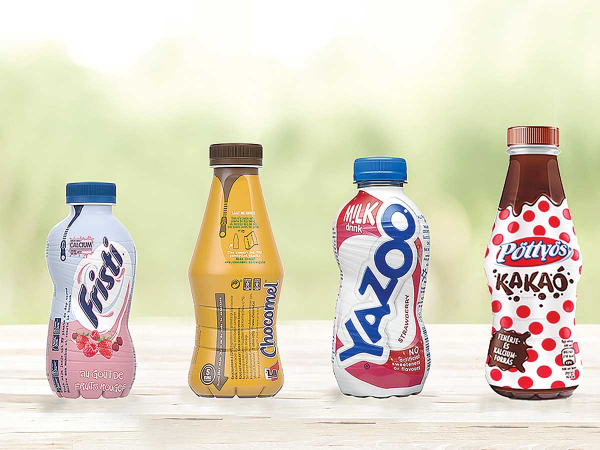
One of the world’s largest dairy cooperatives is moving to 100% recycled polyethylene terephthalate (PET) bottles from next month.

Federated Farmers has welcomed new rural policies released by ACT, saying they align closely with its own election priorities.

Rural Contractors NZ says proposed changes to land transport rules for agricultural vehicles are a welcome response by the Government to out of date regulations which have seen members hit with huge fines.
Alliance is calling for final applications for its 2027 Graduate Programme, with applications closing on Sunday 25 October.
Decades piloting planes has ensured vet and farmer David Hayes is focused on safety. So, after a serious accident while welding on farm, he is sharing his experience so others can learn from it.
Canterbury milk processor, Synlait Milk has confirmed Leon Fung as its chief executive officer.
OPINION: Making it easier to collect rainwater and use it to grow crops and livestock is a no brainer.