NZ Apple Sector Pushes for Japan & Korea Market Access
The apple sector is working with the Government to unlock access to two key markets that could bring millions in revenue for apple growers.
 increase font size
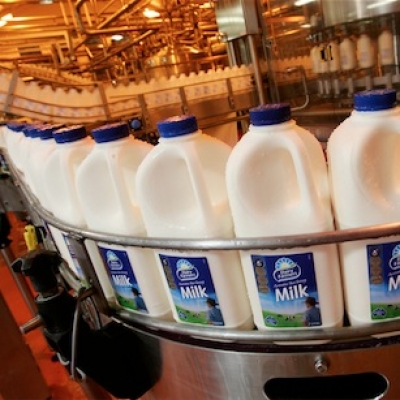 FTA is good for dairy, red meat and growers.
AUSTRALIA’S NATIONAL farmer lobby has welcomed the free trade deal with China – but not everyone is happy.
The National Farmers Federation says the FTA announced last month cements Australian agriculture’s place in the world’s biggest market. President Brent Finlay says the deal recognises agriculture as one of the nation’s economic pillars, generating millions of export dollars.
But not all farmers are celebrating; though dairy, red meat and growers have won large-scale tariff reductions, sugarcane and grain growers are crying foul.
Canegrowers Australia chairman Paul Schembri says the exclusion of sugar in what looks like a trade-off is an unacceptable outcome – “a lost opportunity for our industry and for China’s sugar importers”. “Yes, sugar is traditionally difficult in trade negotiations, but there was no good reason for this to occur.”
China is keen to protect its sugarcane farmers, who strongly oppose imports.
Among Australian grain growers there are mixed feelings about the FTA. GrainGrowers Australia says it makes good gains for some Australian grains but not all.
Australia’s premier grain industry, wheat, remains subject to an out-of-quota tariff of 65%, and within-quota tariff of 1%. Exports of Canola will remain under a tariff of 9%, and maize exports are excluded from concessions under the deal. “Wheat and canola continue… to be non-negotiable for China,” says Cheryl Kalisch Gordon, manager trade and market access, GrainGrowers.
The NFF says the FTA must provide for better outcomes for sugar, rice, cotton and some grains. “These products will be in high demand in China over coming years and must be included in the review arrangements after three years,” says Finlay.
But he acknowledges the FTA is an outstanding achievement which, “based on our own growth and the New Zealand experience could conceivably [triple our] agricultural exports to China within the decade”. “The landmark agreement will see the elimination of tariffs on Australian lamb, beef, horticulture and dairy products to China.” says Finlay.
China is already a major trading partner: Australian farm exports doubled 2009-2013 to at least $7 billion.
Big winners
The apple sector is working with the Government to unlock access to two key markets that could bring millions in revenue for apple growers.

China remains New Zealand’s biggest market, taking $23 billion of our exports, but it’s no longer a commodity story, says Prime Minister Christopher Luxon.
Fonterra is strengthening its foodservice presence in China with the launch of a new cream for professional bakeries at Bakery China 2026 in Shanghai.
OPINION: Your old mate hears an international incident is threatening to blow up the long-standing Anzac alliance as Kiwis and Aussies argue over who wants new Australian resident and former NZ Prime Minister Jacinda Ardern.
OPINION: What does the birth rate in China have to do with stock trading? Just ask a2 Milk Company.


Farmer-owned fertiliser company, Ballance Agri Nutrients is welcoming National’s plan to negotiate security agreements with key supplier countries to protect New Zealand-bound products from export restrictions and greater supply chain certainty.

Carrfields has announced the appointment of Stu Hall to the newly created role of chief operating officer, Carrfields Ltd, reflecting the continued growth of their agribusinesses and the need to ensure the company has the leadership capacity and support in place as it pursues the emerging opportunities ahead.
New Zealand's role is not to compete with Indian growers, according to NZ Apples and Pears.
The potato industry is celebrating the success of two rising stars - James Blair, the 2026 Young Grower of the Year and runner-up and innovation award winner, Amber Davy.
Twenty-eight emerging leaders from across the horticulture sector spent two days last month learning valuable skills and connecting with industry experts.
There are five entrants in this year’s Young Horticulturist of the Year, competing in a series of technical, practical, business and leadership challenges.