Mineral Balance: The hidden key to dairy goat health & production
Most dairy goat farmers focus on getting energy, protein, and fibre right, and fair enough – feed drives milk.
 increase font size
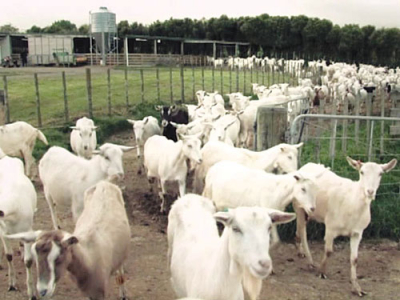 The occasional doe will produce milk without kidding.
Hand-milking goats is not easy. Lifestyle farmer and retired veterinarian Dr Marjorie Orr explains.
Before does can produce milk, they generally have to produce kids, and that means you have to manage the mating process, pregnancy, kidding and the day-to-day farming of the does and kids as well as the milking process itself.
(Surprisingly, the occasional doe will produce milk without kidding -- if she has a ‘false pregnancy’. Then she shows all the signs of being pregnant and even produces milk, but there is no pregnancy and no kid at the end of it.)
Doe kids reach puberty at about six months but sometimes as young as four months, and buck kids can be sexually active even younger. So take care when running does with entire bucks of any age. Generally it’s best to wait until the young does are about 18 months old before mating.
If a doe at six months is well-grown and in good body condition, and you have experience of kidding does, she could be mated at this age but only if a small-frame buck is used.
Large kids can injure small dams, particularly during their first kidding.
Does generally have heat periods lasting two-three days at regular intervals of 17 - 20 days from March to October, but some does in warm areas and some Nubian does can start cycling even earlier. When they are in heat they usually let everyone know they are ready for a buck by standing apart from the mob, bleating or blaring loudly and wagging their tail.
Selecting a good quality buck is important if you want to breed for better milk production or for showing. You can get advice from experienced goat farmers in your area, and view potential sires at agricultural shows. If you use a commercial buck, you can assess his performance as a sire by viewing the milk recording data of his daughters.
For mating, you can take your doe to the buck or the buck might be brought to you. If the doe is in heat, mating is usually over very quickly, so the visit could be as short as an hour or so. When she has been successfully mated she won’t come into season again. If she does, a repeat visit is necessary.
Sometimes it’s possible to let the buck and doe run together for at least four weeks after the first service, so that if she doesn’t conceive at the first cycle she can be covered again three weeks later.
If you are using the services of a registered buck, the owner may require you to produce a CAE-negative testing certificate, so find out well in advance. The owner of the buck will give you a certificate of service for when you register the kids.
Remember that it’s good practice when taking goats to another farm to make sure they have been recently wormed and their feet are in good condition.
If you visit the buck with an in-heat doe for a same-day service, take care to minimise stress on the doe when you take her home. For example, don’t tie her up for transportation. Stress can reduce the chances of her conceiving.
If you have a buck on your farm, be aware that his temperament will change dramatically in autumn. Hormonal changes in autumn prepare bucks for mating and make them aggressive and very smelly, even if for most of the year they are quite docile. Where there are only a few does it’s important to make sure they are not harassed by the buck.
Bucks tend to lose weight when they are running with does, because they are much more interested in mating than in eating. When mating is over, the bucks need good feed to build them up again before winter.
They do best with company, so when their aggressiveness wears off they can be run with other bucks or weathers until the next mating season.
• Dr Marjorie Orr is a lifestyle farmer and veterinarian (retired). This article was reproduced from www.lifestyleblock.co.nz.
Most dairy goat farmers focus on getting energy, protein, and fibre right, and fair enough – feed drives milk.
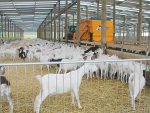
Part of your preventative healthcare needs to focus on the safety of the physical environment, according to a dairy goat farming website.
Last month's inaugural New Zealand Cashmere Conference saw the opening of a new fibre processing facility.
New Zealand’s fledgling dairy goat industry is in turmoil.
After working on the concept for six years, one of the country’s largest goat farms has launched its own brand of fresh milk.


Testing confirms H5 bird flu in a single northern giant petrel, found dead on a remote Cape Palliser beach in the Wairarapa, says Dr Mary van Andel, the Ministry for Primary Industries' (MPI) Chief Veterinary Officer.

"What's for dinner?" may sound like a simple question, but for many Kiwi parents, answering it has become a job in itself.
Fifty Eight years ago, on the 16th of August 1968, August Claas, the founder of the harvesting company and father of Helmut Claas, personally presented a Claas Senator combine harvester to Scottish farmer John Steven.
New Zealand consumers are paying more for beef mince than ever before, with the average retail price now sitting above $24 per kilogram, according to Rabobank.
State farmer Pamu has delivered its strongest operating result on record.
Four years since it was first detected in New Zealand, researchers and growers now know much more about management of maize pest fall armyworm (FAW).