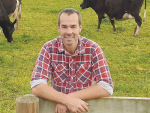
Cameron Henderson Reappointed Unopposed as DairyNZ Deputy Chair
DairyNZ deputy chair Cameron Henderson has been re-appointed unopposed for another term.
 increase font size
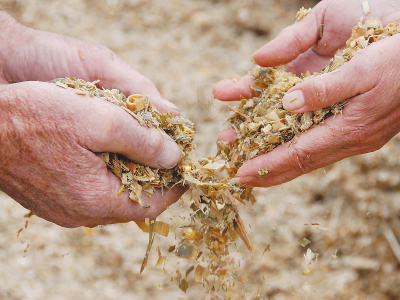
Maize silage is a maize crop cut and ensiled in a stack or bunker; commonly used as a supplement to pasture in situations where cows would otherwise be underfed.
Maize silage is a high quality forage supplement, according to DairyNZ.
Maize silage is a useful supplement for filling genuine feed deficits, but needs to be well managed to reduce costs and wastage, it says.
Why is maize ensiled?
Maize silage is full of soluble carbohydrates which while being a great food for cows, is also loved by spoilage bugs, such as yeasts and mould. The aim of the ensiling process is to get air out of the stack and keep it out until maize silage is ready to be fed.
Storing maize silage
To minimise losses:
Consider stack location and prepare site in advance of harvest. Consider environmental implications, e.g. risk of runoff, distance to waterways, drains and other sensitive areas.
Consider whether to use a bun (stack) or a bunker. Buns can be located around the farm and therefore more flexible, whereas bunkers are initially more expensive but have higher compaction rate and therefore less wastage.
Stack dimensions, the aim is to build a stack so that when being fed out, as little maize as possible is exposed to air. Consider quantity of maize, how many animals you are feeding and what inoculant you are using. Ideally it should take no more than three days to feed across the stack face, taking about half a metre each feed.
Cover immediately after the contractor has finished rolling the maize. Seal around the base of the stack with soil, sand or lime and place tyres to completely cover stack.
Keeping the air out
When you start feeding maize open the stack at the opposite end of the prevailing wind to prevent air getting pushed under the cover. Use a front end loader to create a face. Once the face has been created, chip away from the top to the bottom of the stack, rather than lifting from the bottom of the stack face. Don’t ram bucket or silage forks into the face of the stack as this creates shatter and may allow air to penetrate the maize stack.
Face management
Ensure the face is left tight daily, with no loose material at the base of the stack.
A wide mouth shovel and a broom will help prevent this. You do not need to drop the cover down over the face each day. If birds are a problem can use bird netting or shade cloth.
Closing a stack down
Use the front end loader to remove any loose material from the front of the stack, trim up the face using an old chainsaw and spray a saturated salt solution over the stack face, drop the silage cover back down the face, reseal the base with soil and place tyres against the covered face.
Replenish bait stations and leave stack until you need to feed out again. When you roll back the cover to feed out again, remove any material that may have become mouldy.
DairyNZ deputy chair Cameron Henderson has been re-appointed unopposed for another term.
Farms across the upper North Island are trialling different pasture mixes as part of a research programme that aims to build greater resilience into farming systems.
Election years are always a concerning time for farmers, according to DairyNZ chair Tracy Brown.
Most dairy regions around the country have had a pretty good season so far says Tracy Brown.


Farmgate lamb prices are down by 8%, beef cattle by 4.5% and farm expenditure up by 4.2%.
Kiwifruit growers are watchful but remain optimistic as concerns around the potential effects of the El Niño weather pattern this season.
Almond hulls sourced from Australian orchards may have the potential to help New Zealand cows reduce emissions, boost milk yield and lower input costs.
Striking a balance between meeting the needs of industry to speed up approval time for products but on the other hand ensuring that risks are properly assessed.
Surprised, humbled and quite thrilled. That’s the reaction of James Allen, one of the founding partners and now chief executive of AgFirst, on being made a life member of the Institute of Rural Professionals.