Fall Armyworm in NZ Maize: Four Years of Research
Four years since it was first detected in New Zealand, researchers and growers now know much more about management of maize pest fall armyworm (FAW).
 increase font size
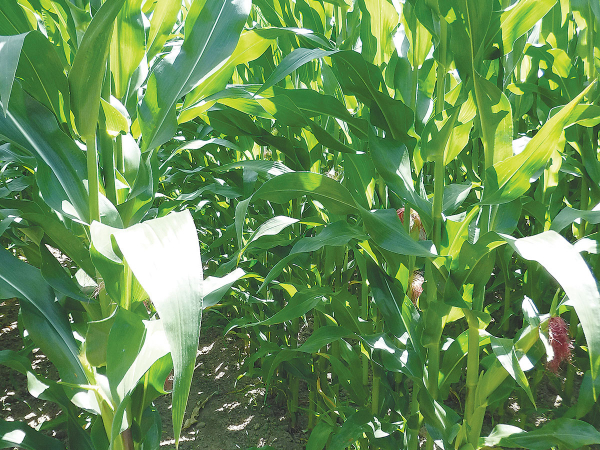 While maize is best known for its use as silage it can also be a very valuable greenfeed crop.
The recently released NIWA weather outlook for this summer makes interesting reading.
They are forecasting above average temperatures for the whole country, with normal to below normal rainfall for most regions. The exception being the East Coast of the North Island which is predicted to have normal to above normal rainfall.
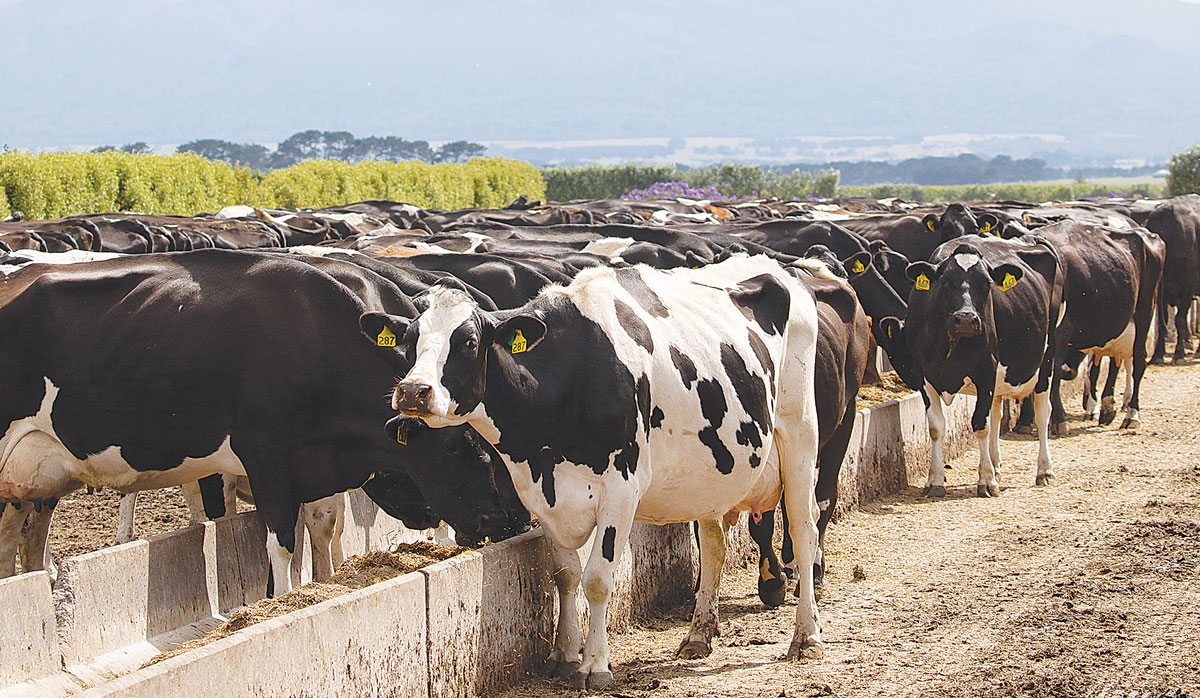
Hotter days with less rainfall increase the risk of severe feed shortages and many farmers are becoming concerned about their summer feed supply. The warm wet winter and the cool slow spring meant increased pugging on many farms and a lot less grass silage has been made. High prices for bought in feed makes growing crops on farm or on lease/runoff blocks an attractive option.
Traditional summer crops have included turnips, chicory or rape. While in some systems these crops may help mitigate summer feed shortages, it is now getting late to plant them. Farmers therefore should consider one of two crop options. These are either greenfeed maize or a forage sorghum/sudan grass hybrid (e.g. Bettagraze or SSS)
Greenfeed Maize
Maize is a tropical grass. It has high water use efficiency and tends to grow well in dry summers when other crops are struggling. While maize is best known for its use as silage it can also be a very valuable greenfeed crop. The feed value for greenfeed maize is in the range of 10.3- 10.8 MJME/kgDM, with higher energy levels being achieved as the grain content increases. Less mature crops can have crude protein levels as high as 16% but this drops to 8-10% as the cobs fill.
Crops can be break fed or chopped using a maize harvester or a flail-type mower. Feeding behind an electric wire reduces crop wastage from trampling. Greenfeed maize has the advantage that if it isn’t needed because there is enough grass, it can be harvested for silage, stored and fed when it is needed. Greenfeed maize can be fed to both dairy and youngstock and it can be grown throughout New Zealand.
There are two cautions with greenfeed maize. Don’t feed young or stressed crops without checking nitrate levels and limit access to mature crops which have high amounts of grain present. Given a choice, animals are likely to gorge themselves on cobs and this may lead to acidosis, or grain-overload.
Forage Soghum X Sudan Grass Hybrids
These hybrids produce good yields of moderate quality feed in a relatively short timeframe and are an excellent option for summer feed in warmer districts. Sorghum and sudan grass hybrids are genuine summer loving plants and shouldn’t be planted until the soil temperature is 18°C and rising. Usually planting takes place from mid-November onwards. Because of their rapid growth, crops can be first grazed or harvested (at 80 -100 cm in height) as little as 35 - 45 days after planting, with further regular grazings afterwards.
There are different forms of these summer grasses. For example, Bettagraze is a forage sorghum x sudan grass hybrid with a high sugar content, fine stems and a high leaf-to-stem ratio. Super Sweet Sudan (SSS) is a sudan x sudan grass hybrid which provides finer leafy stems and excellent regrowth potential. If you are unsure what would work best, give your merchant a call and they will be able to guide you. As is the case with greenfeed maize, if the feed is not required, the crop can be harvested as silage or hay and stored for later feeding.
 |
|---|
|
High prices for bought in feed makes growing crops on farm or on lease/runoff blocks an attractive option. |
As with greenfeed maize, feeding either Bettagraze or SSS comes with an important note of caution. It is advised that farmers test forage sorghum x sudan grass hybrids for nitrate and/or prussic acid levels prior to feeding or ensiling. If the levels of nitrate or prussic acid in feed are high, they can be managed. However, it is important to talk to your local vet or animal nutritionist for feed management advice.
Finally, one of the big advantages of both greenfeed maize and forage sorghum/sudan grass is that farmers can make relatively late planting decisions and still get reasonable yields. Greenfeed maize and forage sorghum/ sudan grass hybrids can be planted right up to Christmas if extra feed is needed. If you are considering growing one of these products this summer, feel free to contact your local merchant or Pioneer Area Manager for advice.
Ian Williams is a Pioneer forage specialist. Contact This email address is being protected from spambots. You need JavaScript enabled to view it.
Four years since it was first detected in New Zealand, researchers and growers now know much more about management of maize pest fall armyworm (FAW).
As spring calving cows head into dry-off, the priority shifts to one thing: setting cows up to calve at the target body condition score (BCS).
Early December marks a key transition for many dairy farmers, as weaned replacement heifers head off-farm to grazing.
I recently had the pleasure of attending an AgFirst event in Hamilton where the results of the 2024-25 Waikato-Bay of Plenty Dairy Financial Survey were shared. Based on a 136ha farm milking 379 cows, average farm profit before tax was $405,892, an incredible 286% increase on the 23-24 season.
Over the past few months, I’ve had the privilege of speaking with many farmers at events and one-on-one.


Farmer-owned fertiliser company, Ballance Agri Nutrients is welcoming National’s plan to negotiate security agreements with key supplier countries to protect New Zealand-bound products from export restrictions and greater supply chain certainty.

Carrfields has announced the appointment of Stu Hall to the newly created role of chief operating officer, Carrfields Ltd, reflecting the continued growth of their agribusinesses and the need to ensure the company has the leadership capacity and support in place as it pursues the emerging opportunities ahead.
New Zealand's role is not to compete with Indian growers, according to NZ Apples and Pears.
The potato industry is celebrating the success of two rising stars - James Blair, the 2026 Young Grower of the Year and runner-up and innovation award winner, Amber Davy.
Twenty-eight emerging leaders from across the horticulture sector spent two days last month learning valuable skills and connecting with industry experts.
There are five entrants in this year’s Young Horticulturist of the Year, competing in a series of technical, practical, business and leadership challenges.