Fieldays’ sustainability credentials getting greener
The New Zealand National Fieldays Society has achieved a major sustainability milestone - reducing its greenhouse gas emissions and reaching the target five years early.
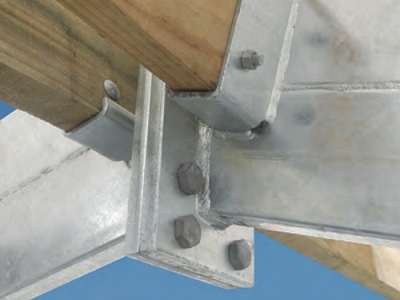
Alpine Buildings, Timaru, claims to be New Zealand's first company to make complete kitset buildings and is well known for developing a bird-proof rafter called Zero-Bird-Perch.
Its latest advance, which is being launched at National Fieldays, is the Hot-Box Rafter, said to be NZ's first completely hot dip-galvanised, bird-proof rafter; it is expected to last at least 2.5 times longer than anything else available.
Molten zinc, in which the steel is immersed, coats the surfaces inside and out, unlike sprayed zinc 'galv' which largely only protects outer surfaces.
Preventing birds perching, with their resultant mess, will keep buildings looking smarter for much longer.
New Zealand needs a new healthcare model to address rising rates of obesity in rural communities, with the current system leaving many patients unable to access effective treatment or long-term support, warn GPs.
Southland farmers are being urged to put safety first, following a spike in tip offs about risky handling of wind-damaged trees
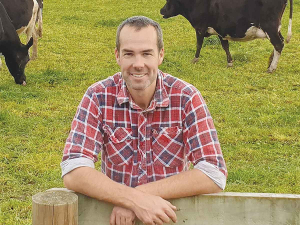
Third-generation Ashburton dairy farmers TJ and Mark Stewart are no strangers to adapting and evolving.
When American retail giant Cosco came to audit Open Country Dairy’s new butter plant at the Waharoa site and give the green light to supply their American stores, they allowed themselves a week for the exercise.
Fonterra chair Peter McBride says the divestment of Mainland Group is their last significant asset sale and signals the end of structural changes.
Thirty years ago, as a young sharemilker, former Waikato farmer Snow Chubb realised he was bucking a trend when he started planting trees to provide shade for his cows, but he knew the animals would appreciate what he was doing.