SWNZ Strengthens People Pillar for Global Markets
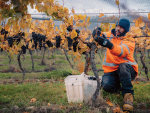
With ethical employment practices a "hot topic" in key markets, Sustainable Winegrowing New Zealand (SWNZ) is strengthening its People Pillar.
 increase font size

DAIRYNZ HAS welcomed the release of the Ministry of Business, Innovation and Employment's (MBIE) revised position statement on the minimum wage and employment agreements in the agricultural sector.
DairyNZ's strategy and investment leader for people and business, Mark Paine said at the Farmers Forum with employment conditions on-farm under tight scrutiny, the release of this information will help provide clarity to farmers.
"Compliance is supported by a clear understanding of requirements," he said. "This is an important resource aimed at clarifying a complex and at times confusing area of legislation."
DairyNZ and Federated Farmers will be complementing the formal position statement with a practical Industry Best Practice Guidance note to farmers, aimed at ensuring all dairy farmers are clear on what they need to do to comply. This information will be available on both organisations' websites.
"Having a world-class work environment is one of the 10 themes of the Strategy for Sustainable Dairy Farming and that starts with providing workplaces that meet all legal responsibilities," said Paine.
"Our goal is that dairying is neither perceived nor experienced as a minimum wage industry because the reality is we need skilled people in all roles on-farm. Our industry is committed to improving on-farm work environments, to ensure we can attract and then retain the skilled people we need in all farm roles."
"Skilled people are a big part of our competitive advantage. New Zealand dairy farming success is often attributed to our pasture but that is only part of the story and it would never have happened without skilled people," he said.
DairyNZ is encouraging farmers to use the current focus on employment conditions as an opportunity to review their people management processes and working conditions. It has created a range of resources which work on-farm to improve the employer-employee relationship. These resources, available on the DairyNZ website, complement others provided by Federated Farmers, IRD and MBIE.
"The obvious flow-on from getting this right is happier people on-farm, greater efficiencies, reduced stress levels and reduced turnover because employees feel more valued," Mark said.
"We're asking farmers to take a look and then implement what they learn on-farm. Start with the basics such as keeping and discussing timesheets but then look further. Good people management has the potential to add a lot of value to a farm business and also improve the wellbeing of all the people involved. The impact of people processes cannot be underestimated," he said.
With ethical employment practices a "hot topic" in key markets, Sustainable Winegrowing New Zealand (SWNZ) is strengthening its People Pillar.

OPINION: Farmers have been clear: it is getting harder, not easier, to find and keep good people.
Building on the success of last year's events, the opportunity to attend People Expos is back for 2025, offering farmers the chance to be inspired and gain more tips and insights for their toolkits to support their people on farm.
OPINION: Science funding for the bulwark of the nation, agriculture, is in a parlous state and less taxpayer money is shelled out for it every year.
OPINION: Media luvvies have pigeon-holed the Taxpayers Union (TPU) as some right-wing lobby, but as far as this old mutt can tell, the TPU focuses on shaming poor behaviour and wasteful spending by those that govern us, no matter who's in power.



Federated Farmers has welcomed new rural policies released by ACT, saying they align closely with its own election priorities.

Rural Contractors NZ says proposed changes to land transport rules for agricultural vehicles are a welcome response by the Government to out of date regulations which have seen members hit with huge fines.
Alliance is calling for final applications for its 2027 Graduate Programme, with applications closing on Sunday 25 October.
Decades piloting planes has ensured vet and farmer David Hayes is focused on safety. So, after a serious accident while welding on farm, he is sharing his experience so others can learn from it.
Canterbury milk processor, Synlait Milk has confirmed Leon Fung as its chief executive officer.
OPINION: Making it easier to collect rainwater and use it to grow crops and livestock is a no brainer.