Lower North Island farmers “cautiously optimistic” heading into winter – DairyNZ
Cautiously optimistic is how DairyNZ's regional manager for the lower North Island, Mark Laurence describes the mood of farmers in his patch.
 increase font size
 Mark Laurence
Grass growth is fantastic in the Manawatu but production remains static.
That's the message from DairyNZ regional leader for the Lower North Island, Mark Laurence.
While the recent rains and storm caused some damage, the rain and warm temperatures have seen covers jump away.
For those that didn't get damaged, growth has been fantastic and production is holding up well.
"But this is still down by between 4% and 5% for region, which is much the same as it is right across the country. The reality is, the peak was nowhere near as good as it was last year," he says.
Laurence says the problem started last October when there wasn't the absolute flush that one woul expect at that time of the year, so milk production didn't peak as expected. He says the heavy rain in December didn't help the situation, causing a loss of pasture quality.
"But in January and February the situation stabilised and, in fact, January was amazing with the small amount of rain which set pastures going again," he says. By and large the maize crop in the region has been good, although some has been damaged by the recent winds. But Laurence says his gut feeling is that crops are in good shape.
He says the other issue is facial eczema and he warns that farmers need to closely monitor spore counts as autumn approaches.
Cautiously optimistic is how DairyNZ's regional manager for the lower North Island, Mark Laurence describes the mood of farmers in his patch.

A tsunami of memories hit the tiny Manawatū township of Bulls earlier this month where 300 people gathered to commemorate the 100th anniversary of Flock House - an iconic former agricultural training facility.
OPINION: Kia ora and a warm welcome to everyone making a living off the land, contributing to our regional and national well-being. For regulars who make Field Days, a 'must attend', it's welcome back!
Manawatu dairy farmers Gregory and Brooke Dorn have tapped into some excellent Holstein Friesian genetics to not only raise the quality of their herd’s milk, but to ensure the future of the herd’s best cow families is guaranteed.
Wet weather and a lack of sunshine in many western areas of the country are causing problems for farmers.

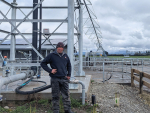
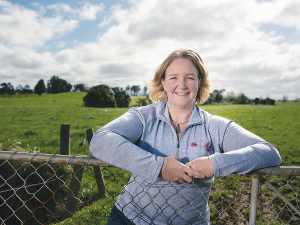
Farmers are being encouraged to rethink how they manage waste on farm with the launch of ruralwastesorted.co.nz, a new website bringing together practical tips, real farmer experiences and resources.

New Zealand Winegrowers (NZW) is celebrating the India-New Zealand Free Trade Agreement (FTA) coming into force today, bringing New Zealand wine improved access to one of the world’s fastest-growing economies.
New Zealand’s red meat sector has welcomed the India-New Zealand Free Trade Agreement taking effect, which removes India’s 33% tariff on New Zealand sheepmeat.
More than 95 per cent of New Zealand’s forestry and wood exports to India can now enter tariff free as the New Zealand-India Free Trade Agreement comes into force today.
Federated Farmers is backing Feilding High School’s call to keep Agriculture and Horticultural Science as a standalone subject in Year 11.
Food and fibre exports have returned a billion- dollar bonus to the country.