Milk Powder Prices Prop Up Farmgate Milk Price
Milk powder prices are keeping farmgate prices up, helping processors offset the dip in milk fat prices.
 increase font size
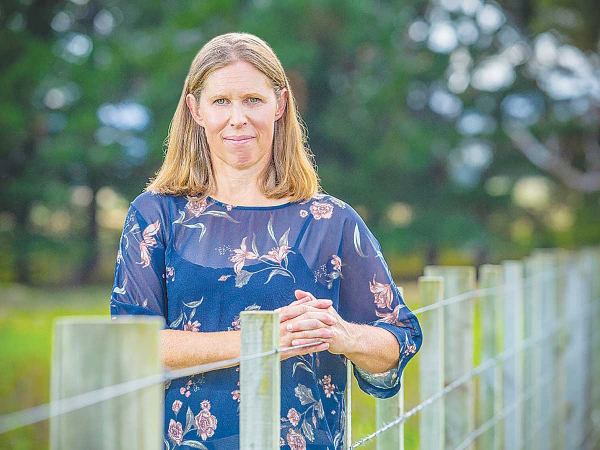 Susan Kilsby, ANZ agri analyst says dairy prices are likely to start the new season at a high level.
With just under three months to go this season, attention is turning to the opening forecast milk price for 2021-22.
A strong opening forecast milk price for next season – of between $7.25/kgMS and $7.30/kgMS – has been announced, mostly on the back on soaring prices on Global Dairy Trade (GDT) auctions.
However, the opening forecasts come with a warning: it’s still early days and things could change.
ANZ agri economist Susan Kilsby notes that its likely dairy prices will start the 2021-22 season at a high level, but there is certainly no guarantee they will remain at this level.
“At this stage, it is not completely clear what is actually driving the sharp lift in pricing we are currently experiencing,” Kilsby says.
“Therefore, it is difficult to predict how long the current run of stronger pricing will be sustained.
“We anticipate we will see some correction in pricing within the next 12 months, and when this occurs, it may do so at pace.”
The other factor that has a large influence on the farmgate milk price is the New Zealand dollar.
According to Kilsby, the NZD will generally appreciate over the next 18 months, and this will curb returns at the farmgate somewhat.
Westpac senior agri economist Nathan Penny also expects prices to moderate later this year.
Penny says the recent price rises in whole milk powder and milk fat prices have “a New Zealand angle to it”. “New Zealand is the largest exporter of both WMP and milk fats. Skim milk powder prices, in contrast which the EU and the US also heavily export, have increased by a more modest 22% since November.
“The implication is that this latest increase will prove temporary…New Zealand has entered its autumn and the season is winding down,” notes Penny.
Dairy farmers around the world are also expected to boost production to cash in on the high milk price. Penny expects the impact of this response will come to bear from around midyear, with prices beginning to moderate.
ASB economist Nat Keall is more optimistic.
He says the bank’s opening forecast milk price for next season of $7.30/kgMS could jump by 20c.
“Even if we were to conservatively assume much of this latest price spike unwinds over the next couple of months, there is now significant upside risk to our recently-made milk price forecasts for both seasons,” he says.
“The challenge for determining the dairy price outlook is how much of this price spike is supply covering that will be offset later by reduced buying demand versus a more fundamental (and more sustainable) lift in underlying demand.
“Spikes in other commodity prices – including animal feed – do point to elements of a more general surge in commodity demand.”
Milk powder prices are keeping farmgate prices up, helping processors offset the dip in milk fat prices.

Case IH has unveiled its redesigned next generation Puma Series tractors, said to offer improvements in connectivity, operator comfort, fuel efficiency and drivability.
Cameron Reed lives between two worlds.
A milk glut around the world shows no sign of easing, putting downward pressure on farmgate milk prices for the next few months.
The new dairy season is kicking off with plenty of risks to the forecast farmgate price, both upside and downside, says ANZ agricultural economist Matt Dilly.


New Zealand's citrus growers were challenged to build their future on the value embedded in their fruit rather than the volume they produce, at Citrus New Zealand's annual gathering in Gisborne on 17 September.

Leading John Deere technicians and apprentices from New Zealand and Australians were recognised at the recent sixth annual JD Technician of the Year Awards, held in Brisbane.
In Dacre, near Invercargill in New Zealand’s South Island, Bruce Dinnington is running a dairy operation unlike any other.
A free online platform aggregating governance vacancies across rural and regional New Zealand has been launched.
Environment Minister Nicola Grigg has announced details of a new rural plastics recycling scheme.
Agricultural drone operators say that a government decision to allow lower-risk drone work without certification won’t lower standards but drive innovation and efficiency.