Kiwifruit Growers Prepare for El Niño, Stay Optimistic
Kiwifruit growers are watchful but remain optimistic as concerns around the potential effects of the El Niño weather pattern this season.
 increase font size

Reports from many regions say the green grass seen on farms in January has now turned brown.
Certainly this is so on the east coast of both the North and South Islands.
In Waikato, the farm consultancy company AgFirst says things are looking dry on farm. Steven Howarth told Rural News they had a good spring and summer with plenty of feed. But this has burnt off and the promised rain that fell a week ago wasn’t the quantity they were looking for.
“The conditions have created some challenges for farmers with some struggling to get space at processing plants to get their stock killed,” he says.
Howarth says lamb performance has also been variable: good growth rates for some while others struggle with the dry conditions.
Beef cattle have had a good summer, says Agfirst, but now the challenge is getting stock killed after farmers held them back to put on extra weight.
With rain and warm temperatures, the warning is out to farmers to monitor spore counts as there is a risk of facial eczema in some regions, notably the King Country.
“But countering that some cold spells have reduced the risk,” Howarth says.
Apart from this, Howarth says relatively good livestock prices have helped keep up morale onfarm.
Kiwifruit growers are watchful but remain optimistic as concerns around the potential effects of the El Niño weather pattern this season.

With forecasters advising El Niño conditions will develop through winter and strengthen into spring and summer, Ballance Agri-Nutrients is encouraging farmers and growers to think ahead about nutrient planning and be prepared to work around challenging weather conditions.
Recent weather events in the Bay of Plenty, Gisborne/Tairawhiti, and Canterbury have been declared a medium-scale adverse event.
Sheep and beef farmers in Hawke's Bay are being urged to keep a close eye on the wells that supply water to their stock.
Agriculture and Forestry Minister Todd McClay is encouraging farmers and growers to stay up to date with weather warnings and seek support should they need it.


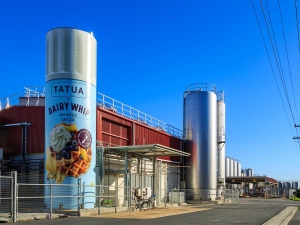
Waikato milk processor Tatua has again declared a record milk payout to farmer shareholders, leaving other processors in the dust.

A Labour-led Government won’t be bringing back the controversial freshwater rules of 2020.
National’s much-touted free trade deal with India featured in the Rural Issues Debate at Mystery Creek, Hamilton on Wednesday night.
New Zealand's 2026-27 freshwater fishing season has opened, with anglers encouraged to head to rivers and lakes over the coming days as conditions look favourable across much of the country.
Central Otago District Council (CODC) has voted against a plan to spread treated sewage sludge from Cromwell and Alexandra on farmland near Lauder, a decision Federated Farmers says reflects strong opposition from rural residents.
Pāmu has released its FY26 Integrated Annual Report, reporting a Net Operating Profit of $113 million, more than double the $49 million recorded in FY25.