Milk Powder Prices Prop Up Farmgate Milk Price
Milk powder prices are keeping farmgate prices up, helping processors offset the dip in milk fat prices.
 increase font size
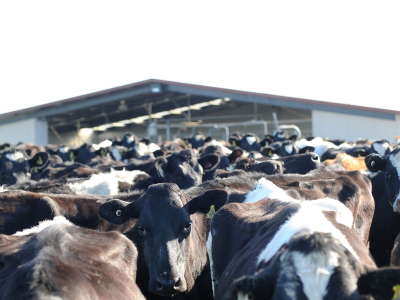
Dairy prices continued to edge higher in last night’s Global Dairy Trade (GDT) auction with the aggregate price index up 0.4%.
However, there were mixed results for the individual products on offer.
Whole milk powder prices continued to edge lower, while butter prices were unchanged following their strong run over recent weeks.
Westpac analyst Anne Boniface says with just one more GDT auction before the 2018/19 season draws to a close at the end of May, the bank has “baked in the upside risk that we have been noting in recent weeks to our milk price forecast”.
It’s now forecasting a $6.50/kgMS milk price for the 2018/19 season (previously $6.40) which would be toward the upper end of Fonterra’s $6.30-6.60 forecast range.
Key Results
AMF index up 1.4%, average price US$6,217/MT
Butter index unchanged, average price US$5,486/MT
BMP index down 10.3%, average price US$3,242/MT
Ched index down 2.4%, average price US$4,217/MT
LAC index down 2.7%, average price US$887/MT
RenCas index up 3.1%, average price US$6,610/MT
SMP index up 2.8%, average price US$2,521/MT
SWP index not available, average price not available
WMP index down 0.5%, average price US$3,249/MT
Milk powder prices are keeping farmgate prices up, helping processors offset the dip in milk fat prices.
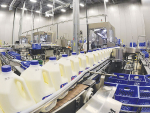
OPINION: With 10,500 dairy farms, New Zealand continues to punch above its weight around the world.
A milk glut around the world shows no sign of easing, putting downward pressure on farmgate milk prices for the next few months.
Fonterra has reduced its forecast 2026/27 Farmgate Milk Price.
New Zealand dairy farmers are set to be the first in the world to receive access to a new digital physical milk pricing tool that enables them to fix the price for their physical milk.

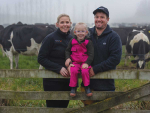
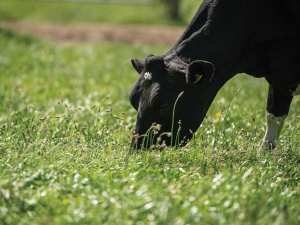
Farms across the upper North Island are trialling different pasture mixes as part of a research programme that aims to build greater resilience into farming systems.
Election years are always a concerning time for farmers, according to DairyNZ chair Tracy Brown.
The Ballance Farm Environment Awards are coming to the West Coast of the South Island.
Most dairy regions around the country have had a pretty good season so far says Tracy Brown.
Rural leader Mark Hooper has been appointed as an independent director to the NZPork board, bringing extensive farming, governance and advocacy experience to the role.