More Australian states are embracing virtual fencing technology, opening growth opportunities for Kiwi companies like Halter.
The company, a leader in NZ virtual fencing and herding technology company, says it sees a significant opportunity for growth.
In recent months there's been a trend of announcements from state governments in Australia announcing a change to regulations to embrace virtual fencing as soon as possible. From South Australia in February, to New South Wales in April, and now Victoria in May - these states have historically prohibited virtual fencing of cattle but are now embracing his modern technology. Virtual fencing technology has already been widely adopted by farmers in other states of Australia including Tasmania, Queensland and Western Australia, as well as throughout New Zealand and the US.
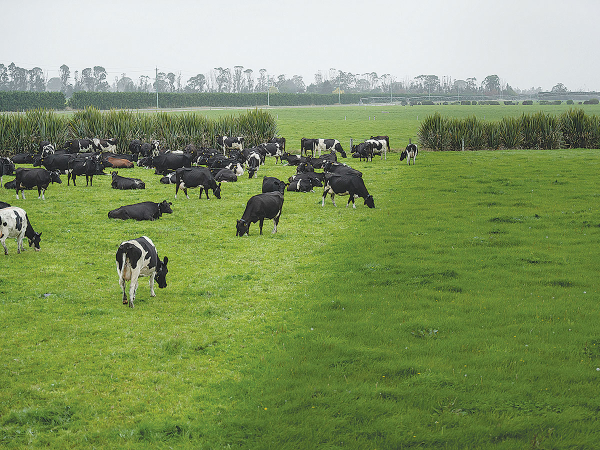
Halter's technology is used by dairy and beef farmers throughout Australia, New Zealand and the US. In Tasmania, Halter is used by 25% of the state's dairy herd.
"These state governments have responded to a groundswell of demand from farmers calling out for this technology and the increased productivity it unlocks," Halter spokesman Charlie Baker says.
NSW, Victoria and South Australia are states with significant dairy and beef industries, collectively with 12 million cattle - more than New Zealand's herd (10 million) - so this presents a major growth opportunity for Halter. For example, Victoria is the heartland of dairy farming in Australia, producing two-thirds of national milk production.
"We're excited to see a surge in demand from farmers for Halter in these states off the back of these announcements, and we're looking forward to supporting farmers in these states. We're starting a hiring spree for roles in these states," Baker says.
Halter was pioneered in New Zealand and has supported hundreds of Kiwi farmers to run more productive, efficient and more sustainable farms. It is now New Zealand's fastest growing company - recognised by the Deloitte Fast50 index - a reflection of the significant demand for Halter throughout NZ, Australia, and the US.
"New Zealand can be proud of this announcement with hundreds of Kiwi farmers blazing a trail with virtual fencing for years - these farmers have been such an influential reference for change in Australia," Baker says.
Trials to Continue
The Victorian government's decision follows engagement with industry, manufacturers, and researchers on virtual fencing to understand the animal welfare impacts of the technology that will create better and more efficient farms. This includes a trial of Halter virtual fencing technology at Agriculture Victoria's Ellinbank SmartFarm in Gippsland.
Since July 2024, dairy cattle at the SmartFarm have been fitted with solar powered smart collars that use electronic cues to contain animals within a virtual fence and guide them to areas of the farm via a mobile phone app. It also allows farmers to monitor their cows' location, health and reproductive status.
The Victorian government will continue conducting research until June 30 - giving Victorian farmers the chance to experience first-hand this new technology close to home. Further engagement will occur with relevant stakeholders, including animal welfare groups with the regulations to be finalised by the end of the year.