The perception of dairy as a career path is changing, according to a mid-Canterbury training provider.
Agri Training project manager Trina Moore says a lot of its graduates find work on dairy farms.
"Trainees see the opportunities in dairy, not just the amount of jobs available, but the lifestyle, how quickly one can progress from an assistant to a 2IC and then a manager," Moore told Dairy News.
"Career progression and good salary are a reality."
On average, salaries in the industry start at between $47,000 and $50,000, plus accommodation.
"A lot of our graduates find work on dairy farms and while it may not be their first passion, we are finding many have been surprised about how much they love it," Moore says.
Agri Training trains Kiwis ready for work in the primary industries, and partners with industry recruiters to place them in employment.
Last month, Minister of Immigration Kris Faafoi asked industries to prove they are providing training, wages and conditions suitable for attracting New Zealanders; something Agri Training has been doing since Covid-19 struck New Zealand, Moore says.
"We knew farmers couldn't wait for the border restrictions to lift, so we began our programme last year just after Covid-19 hit."
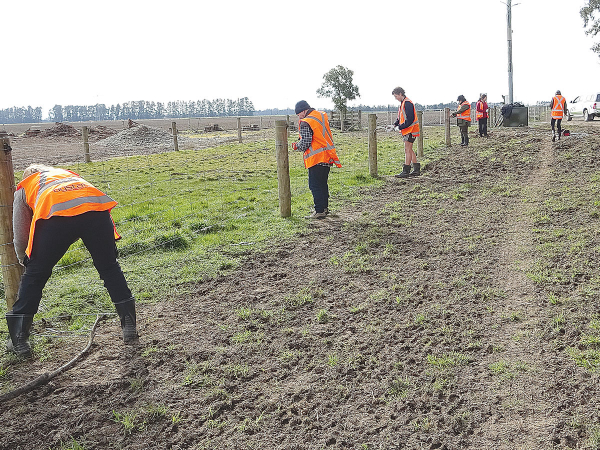
Having completed their fourth 13-day residential rural retrain programme, Agri Training has produced 78 graduates with 92% in employment.
According to Moore, Agri Training works with partners New Zealand Dairy Careers and Agstaff to help place trainees in work.
"It's a win-win. People are provided with the basic skills needed to move into the industry, and business owners and farm managers have people ready to roll up their sleeves and get stuck in."
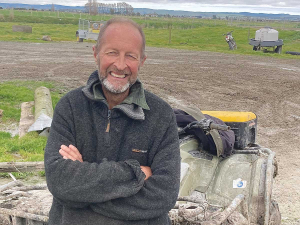
Dorie dairy farmer Joseph Koorey knows the difficulty in finding staff.
"Agri Training and New Zealand Dairy Careers have helped us to get the right people in after we struggled to find staff.
"They show the trainees the realities of farming and they get to know them to make sure they have the potential to work on farm."
According to Koorey, it's not only the ability to manage the lifestyle, but it's also about working as a team.
"We have a bit of banter on farm, so it is important that we get it right for the team culture."
Koorey agrees with others in the industry who welcome Agri Training's live-in training, which helps to build skills and teams, as well as their approach to screening candidates and ongoing pastoral care that both candidates and employers can fall back on.
According to Anthony Martin, New Zealand Dairy Careers business development manager, the dairy industry is evolving.
“In the past, farmers have relied on word of mouth to find staff. Hiring has become more difficult.
“People show up for a few weeks and then think it’s not for them, leaving the farmer a person down and wasted time spent on training.”
The training is equipping people with transferable skills across the industry while helping match the right people to the right jobs.
Agri Training teaches trainees everything from pasture management to stock handling and health to operating on farm machinery/vehicles confidently, while providing an overview on business within the primary industries.