Farm Safety Improves Through 'Incremental Gain', Says Birkett
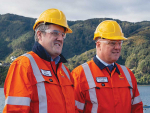
Improving health and safety is about incremental gain rather than a sudden decision, says Leeston farmer and Federated Farmers health and safety spokesman David Birkett.
 increase font size
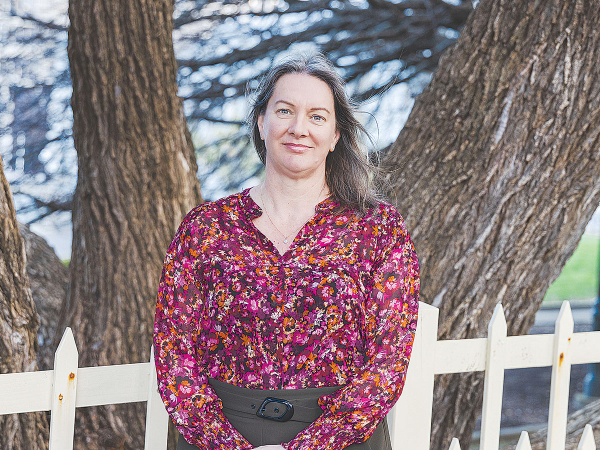 ACC workplace injury prevention manager Paula Wood says over 6000 claims were received during the busy spring period.
Dairy farmers around the country are into the busy spring calving period.
A dairy farmer’s workload typically increases at this time of year, and according to ACC data, so do their injury claims.
In 2024, ACC accepted over 23,000 new farming-related injury claims and spent around $120 million to help people recover from farming-related injuries.
Over 6000 of these claims were received during the busy spring period, says ACC workplace injury prevention manager Paula Wood.
“Exhaustion, lack of sleep, the stresses of farming, isolation from friends and family, and being unable to take a break all add to the risks that a farmer or farm worker will have an accident,” says Wood.
“This is something we want farmers and farm workers to keep in mind, as they go through the busy spring calving season this year.”
Agriculture is among the top five industries for ACC injury claims alongside manufacturing, construction, forestry and fishing. These industries accounted for 38 percent of all workplace injuries in 2024.
One way to prevent injury is to simply stop and think, says Wood.
“Most injuries, in the first instance, are avoidable. ‘Have a Hmmm’ before moving on to your next job.
“When you’re tired and rundown it effects your decision-making, so take a break when you need it so you can go home safe at the end of every workday.”
New Zealand has some of the best farmers in the world, but we also have higher rates of workplace fatalities and injuries in agriculture, says Wood.
“Injuries can have a big impact on the individual, their whānau and friends, their community, and their workmates.
“We’re focused on reducing harm, injuries and fatalities and on driving positive, long-term change.
“Our partnerships are key to supporting this. We partner with Safer Farms and our $11 million investment into the Farm Without Harm programme, as well as Farm Strong, a wellbeing programme which encourages farmers to farm well by living well.
“There’s always going to be inherent risks in an industry that involves operating heavy machinery and handling livestock, but by working with our partners and farmers on how they can implement practical safety practices on their farm, we can help to mitigate those risks.”
Practical Tips
Farmstrong shares practical tips from farmers for farmers so they can perform at their best, says Farmstrong programme director Gerrard Vaughan.
“Tips that keep you focused and calm, habits that help you to look after the most important asset in any business, which is the people that work in it,” says Vaughan.
There’s a strong connection between your wellbeing and your risk of accident and injury, says Vaughan.
“It’s important to look after your mind and body, so you can bring you’re A-game every day to the work you do on the farm.”
Over 10 years, Farmstrong has built up a collection of practical tools to help farmers improve their wellbeing. This includes a new ‘toolbox’ of mental fitness skills for farmers to maintain a clear headspace and perform under pressure.
“We encourage farmers to check these out, find out what works for you, and lock it in.”
There is a lot of great advice available to farmers through the Farm Without Harm and Farmstrong websites, which both offer a range of practical resources and guidance.
Farming Data
Improving health and safety is about incremental gain rather than a sudden decision, says Leeston farmer and Federated Farmers health and safety spokesman David Birkett.
The greatest nightmare for any dairy farmer is the fear of contaminating the milk vat, either with milk from a treated animal or water from the wash cycle.
A huge reduction in ACC claims from on-farm accidents over the last five years is due to thousands of small, practical decisions being made in sheds, yards, paddocks and around kitchen tables across the country, says Safer Farms ambassador Lindy Nelson.
Cambridge dairy farmer Marc Gascoigne was at Fieldays this month talking about his journey after suffering a bout of depression and his advice to others. He tells his story:
ACC says that this week's Fieldays is a great chance for farmers to pause and reflect on their processes and ensure that their life is in balance.
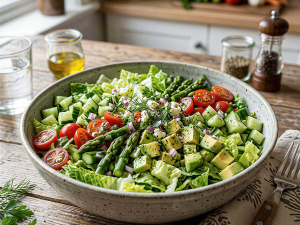
Bigger, bolder salads packed with colour, crunch and flavour are making headlines overseas — and the arrival of fresh spring vegetables means New Zealanders can now get chopping too, creating their own Great Kiwi Spring Salad.
Chinese beef trade quotas and a looming suspension of Brazilian beef imports into the European Union are expected to reshape global beef trade flows over the remainder of 2026, with implications for New Zealand exporters, according to Rabobank's Q3 Global Beef Quarterly report.
James Blair, an agronomist for AS Wilcox and the Pukekohe regional champion, has won the 2026 Young Grower national title.
An Auckland gelato shop and an established New Zealand ice cream maker have both been named Supreme Champions at the NZ Ice Cream & Gelato Awards 2026.
As the cost-of-living crisis continues to put pressure on household grocery budgets, new figures show pork remains one of the most affordable fresh meat options for New Zealand families.
OPINION: In politics, credibility is and should be big. It must surely rank higher than charisma, which is quite trite and superficial. Yet, voters nowadays are often wooed and influenced by how someone looks or talks at a superficial level. TV plays a huge role in this.