
China No Longer Just A Commodity Story - Luxon
China remains New Zealand’s biggest market, taking $23 billion of our exports, but it’s no longer a commodity story, says Prime Minister Christopher Luxon.
 increase font size
 ASB general manager rural Mark Heer.
People say China will be self-sufficient in milk soon, says ASB general manager rural Mark Heer.
But he does not see China jumping into the supply equation in globally relevant terms any time soon.
"I have been up there a few times.... China has 20% of the world population and 7% of the world's arable land and 5-6% of the world's fresh water resource but about 50-60% of that is contaminated and can't be used for animal or human consumption."
In the current milk price cycle there are a few factors in play making it longer than they expected. Eighteen months to two years ago they would have said by today things would be okay.
He says in NZ there was $2 deferred payment through into that first year of low milk price so the cashflow into that year was still reasonably strong.
"To a certain degree it hid a market signal that supply globally had to come back.
"Compounding that, EU quotas came off and whether or not EU farmers are making money out of milk now.... For years they had been told how much milk they could use so there is this pent up excitement about having control of their own business.
"Also, oil prices are down and there is a strong correlation between oil prices and other prices.
"What we've seen over the 18 months is a perfect storm of everything that could hide a need to globally reduce supply."
About 735 billion litres are produced annually in the world and NZ produces 20-25 billion litres – about 3% – but we supply about a third of what is traded. When there's surplus supply, that impacts the traded portion of the market.
China remains New Zealand’s biggest market, taking $23 billion of our exports, but it’s no longer a commodity story, says Prime Minister Christopher Luxon.
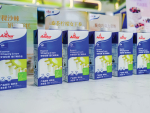
Fonterra is strengthening its foodservice presence in China with the launch of a new cream for professional bakeries at Bakery China 2026 in Shanghai.
OPINION: What does the birth rate in China have to do with stock trading? Just ask a2 Milk Company.
Entries have opened for two awards in the New Zealand Dairy Industry Awards (NZDIA) programme, aimed at helping young farmers progress to farm ownership.
Additional tariffs introduced by the Chinese Government last month on beef imports should favour New Zealand farmers and exporters.


Federated Farmers has welcomed new rural policies released by ACT, saying they align closely with its own election priorities.

Rural Contractors NZ says proposed changes to land transport rules for agricultural vehicles are a welcome response by the Government to out of date regulations which have seen members hit with huge fines.
Alliance is calling for final applications for its 2027 Graduate Programme, with applications closing on Sunday 25 October.
Decades piloting planes has ensured vet and farmer David Hayes is focused on safety. So, after a serious accident while welding on farm, he is sharing his experience so others can learn from it.
Canterbury milk processor, Synlait Milk has confirmed Leon Fung as its chief executive officer.
OPINION: Making it easier to collect rainwater and use it to grow crops and livestock is a no brainer.




