BVD Control Begins Long Before You See A Problem
Bovine Viral Diarrhoea (BVD) is sometimes viewed as a dairy industry issue, but the reality is that the disease can have serious consequences for beef breeding herds as well.
 increase font size
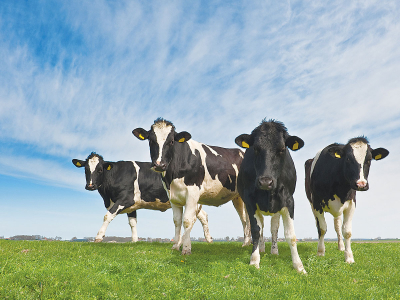 Cows must be adequately prepared for a successful dry-off.
David Dymock, livestock technical advisor with MSD Animal Health, on how best to manage your herd at dry-off.
In our previous article (click here to read), I discussed how to get the most out of a milk quality consultation and dry-cow therapy. Hopefully, many of you will have already started those discussions with your veterinarian.
This month we are discussing how best to manage your herd at dry-off.
As a reminder, the goals of dry-off are to cure existing subclinical mastitis infections and prevent new infections through the dry period and early lactation. To achieve this, not only do we need to select the right cows and product, but we need to adequately prepare cows to successfully dry them off.
Before we go into the specifics, it is critically important to remember to take your time, and to best achieve this aim select a smaller number of cows to dry-off each day, i.e. in batches, rather than the whole herd. This will reduce fatigue and lessen the chance of making a mistake or getting sloppy with your hygiene.
Prior to dry-off
Sort tags and decide on a marking and recording system.
Identify which cows you are drying off/treating using your herd test data or RMT (rapid mastitis test) results. Discuss with your vet how to decide which cows to treat and what with.
Cows should be dried off when milking 5-20L/day. If less than 5L then you risk getting an inhibitory substance grade at first collection and >20L/day you risk milk leaking from the teats after dry-off.
Changing the herd’s diet can help ‘shut down’ cows that are heavy milkers. Consult your vet to determine how best to do this for your farming system.
Consider training your staff in best practice administration of DCT and teat sealants. Your veterinarian can assist with this and you can watch our Insert Dry Cow Therapy video to recap on the basics.
At dry-off:
Dry off during fine weather
Keep teat ends clean at drying off time
Dry off before cows go onto wet / muddy paddocks
Avoid hosing sheds / yards with cows nearby
Check for clinical mastitis; don’t dry off cows if they have clinical mastitis, but instead keep milking them and use a lactating cow therapy (antibiotic) according to your veterinarian’s advice.
Manage workload
Antibiotic or sealant (1 tube): 25 cows/person/hour
Antibiotic and sealant (2 tubes): 15 cows/person/hour
Stand cows on clean paddock with feed for 30 mins after dry-off
Don’t bring cows back into the shed for at least 10 days, ideally longer; this will help prevent leakage of milk.
Following drying off you should monitor the herd daily, especially for the first week after drying off; a walk through the herd and visual inspection is usually adequate.
Early identification of sick cows with black mastitis will give you the best chance to save the cow’s life. Always treat cows with mastitis with a lactating cow therapy according to your veterinarian’s advice; never ever use dry cow therapy to treat clinical cases of mastitis.
For helpful videos and fact sheets which expand on the information in this article visit www.topfarmers.co.nz , a reference library of industry best practice in some key animal health management areas.
• David Dymock is a livestock technical advisor with MSD Animal Health.
Bovine Viral Diarrhoea (BVD) is sometimes viewed as a dairy industry issue, but the reality is that the disease can have serious consequences for beef breeding herds as well.

Bovine Viral Diarrhoea (BVD) is sometimes viewed as a dairy industry issue, but the reality is that the disease can have serious consequences for beef breeding herds as well.
Two inline milk sensors are now available on monthly subscription from SenseHub Dairy, adding milk yield and quality insights to the SenseHub Dairy platform powered by MSD Animal Health.
MSD Animal Health New Zealand has partnered with Agrecovery in New Zealand’s first pilot to recycle SenseHub Dairy Collars (previously known as Allflex Collars) used by its dairy farmer clients.
Use of cow monitoring collars is on the rise, with about 700,000 of New Zealand’s 4.9 million cows in milk now thought to be fitted with them – about 14% of the national milking herd.



Waikato milk processor Tatua has again declared a record milk payout to farmer shareholders, leaving other processors in the dust.

A Labour-led Government won’t be bringing back the controversial freshwater rules of 2020.
National’s much-touted free trade deal with India featured in the Rural Issues Debate at Mystery Creek, Hamilton on Wednesday night.
New Zealand's 2026-27 freshwater fishing season has opened, with anglers encouraged to head to rivers and lakes over the coming days as conditions look favourable across much of the country.
Central Otago District Council (CODC) has voted against a plan to spread treated sewage sludge from Cromwell and Alexandra on farmland near Lauder, a decision Federated Farmers says reflects strong opposition from rural residents.
Pāmu has released its FY26 Integrated Annual Report, reporting a Net Operating Profit of $113 million, more than double the $49 million recorded in FY25.