NZ vigilant following German FMD outbreak
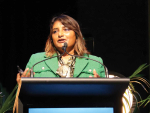
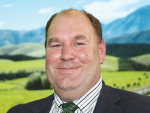
Biosecurity Minister Andrew Hoggard says that events over the last few weeks have highlighted the importance of a strong biosecurity system.
 increase font size

THE DAIRY industry is welcoming a Government initiative for an 18-month foot and mouth disease (FMD) preparedness scheme.
Announced this month by Primary Industries Minister Nathan Guy, it will address gaps in New Zealand’s preparedness system. A group of 10 veterinarians, farming leaders and MPI staff will take part in FMD training in Asia next year to experience working with the disease first hand.
DairyNZ’s chief executive Dr Tim Mackle says it is great to see the Government responding by taking concrete action.
“It is critical to be well prepared for what’s probably the most serious potential biosecurity threat to our industry. We are pleased to see that Minister Guy has made biosecurity his number one priority and is willing to tackle the challenges.”
“Recent events, such as the outbreak of Theileria and associated anaemia in cattle, and bovine tuberculosis outbreaks in dairy herds, highlight the on-going risks to the industry from animal diseases. These diseases can result in significant animal welfare issues, costs and stress to farmers and the wider economy.”
Dairy farmers contribute much to biosecurity for the industry; about $16 million of dairy levy money is spent annually on disease prevention, mainly via the TBFree scheme.
The FMD scheme will have benefits beyond this disease specifically, lifting MPI’s capability to deal with biosecurity threats in general.
Says Mackle, “[By working] with the Government and other livestock industry groups… we are able to achieve significantly more than acting individually.”
Guy says while the focus is always on preventing FMD, it is also important we are prepared to respond to such an outbreak quickly and effectively.
“The training will develop a larger pool of people in New Zealand with experience in recognising, diagnosing and controlling the disease. “This is the latest initiative in a major 18-month programme, which involves MPI and an industry working group.”
Other projects under the preparedness programme include: a map of resources for an FMD response and inventory of personnel; pre-agreed notification process for stakeholders; carcase disposal plans; a vaccination workshop held last month with industry; trade pre-agreements; identification of recovery needs; and a Trans-Tasman Action Plan.
Other recent initiatives have included Exercise Taurus, last year, which posed a simulated outbreak, and a desktop simulation held with industry at MPI’s Wallaceville campus in June this year.
Biosecurity Minister Andrew Hoggard says that events over the last few weeks have highlighted the importance of a strong biosecurity system.
Biosecurity New Zealand says it has implemented revised border measures to manage any possible threat of foot and mouth disease (FMD) from air passengers arriving directly from Bali.
When New Zealand’s Agriculture, Biosecurity and Rural Communities Minister Damien O’Connor met with his new Australian counterpart yesterday, the subject of biosecurity was top of their agenda.
OPINION: One vet believes the threat of foot-and-mouth entering New Zealand is much higher than what authorities tell the public.
DairyNZ has set up a dedicated web page (link below) to provide farmers with everything they need to know about foot and mouth disease (FMD).



Celebrating 50 years in the rural landscape of Central Canterbury and beyond, Ashburton-based Carrfields, has been the exemplar for all aspects of modern agriculture via its extensive range of services including supply, growing, agronomic advice and marketing.
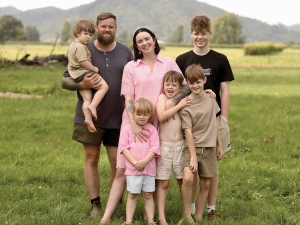
For Taupiri dairy farmers Logan and Sian Dawson, their involvement in the NZ Dairy Industry Awards has been a key catalyst in the growth of their business - the experience helping shape how they approach the farm ownership pathway they are pursuing today.
West Otago dairy farmer Luke Kane has been awarded the 2026 Rabobank Dr John Morris Business Development Prize.
OPINION: As the general election approaches, political parties are churning out policies in the hope of attracting more votes.
An LIC bull, Tronnoco AR Sadio-ET S3F, bred by Tony and Keri O'Connor of Tronnoco Farming Co Ltd near Timaru, has won the 2026 Mahoe Trophy.
With forecasters advising El Niño conditions will develop through winter and strengthen into spring and summer, Ballance Agri-Nutrients is encouraging farmers and growers to think ahead about nutrient planning and be prepared to work around challenging weather conditions.