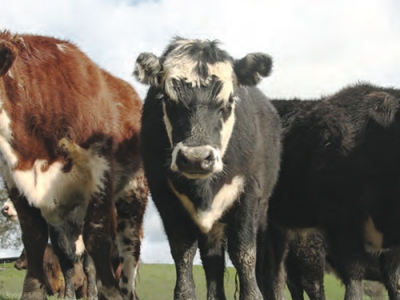
Leg conformation issues in US beef cattle are concerning Dr Temple Grandin.
With the beef industry's focus on carcase traits and selecting for production traits, she is starting to see some leg conformation issues.
"I am concerned that in certain genetic lines of beef cattle a mistake [is being repeated] that the pig industry made back in the 1980s," she says.
"They just selected for rapid growth, big loins and thin back fat. They started getting collapsed ankles where they walked on the claws."
Some of the cattle are getting crooked claw and that matters, she says.
"Some people think they can do all the genetics by the numbers; but there is still a need for visual appraisal of breeding stock to make sure they have sound feet and legs.
"We have to have bulls go out on some rough country; they have to be able to walk."
In breeding, bad can start to become normal. She says don't let it happen in leg conformation.
A group of pig breeders in the 1980s were breeding nasty pigs, but didn't realise how bad they were because they weren't dealing with other pigs.
There is an interaction between genetics and what we can do with animals.
"Take an American Holstein calf and tie it to a tree; it pulls back and habituates and gets over it. Do that to Angus heifers you probably wreck about 10% of heifers. They will not habituate. They get scared and they stay scared and they are ruined."