OPINION: A simpler, clearer, more effective Recognised Seasonal Employer (RSE) scheme.
That's what the Government is promising the horticulture sector.
This policy review is timely for a scheme that has delivered enduring benefits for growers, workers and Pacific communities for almost two decades. Practical changes are needed to keep it fit for the future.
For many Pacific Islanders, the RSE scheme has allowed them to build homes and raise the standard of living for them and their extended families.
The RSE scheme cap is set at 20,750 places, with roughly 17,000 workers arriving annually to work for about 207 approved employers, drawing workers mainly from Samoa, Tonga, Fiji and Vanuatu.
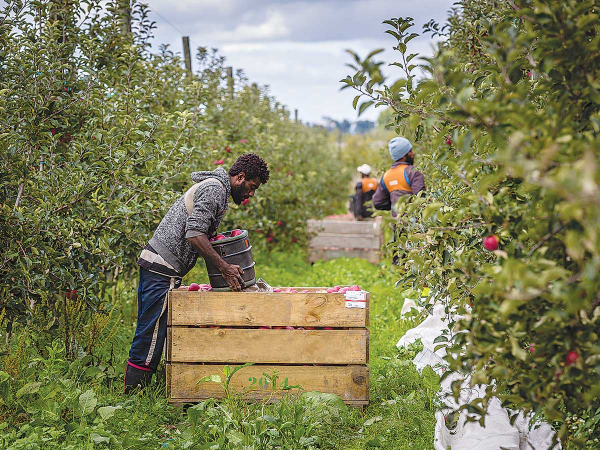
The RSE scheme fills genuine seasonal gaps when enough local workers are not available, helping growers harvest crops on time while continuing to recruit, train and employ New Zealanders.
Key changes include a graduated accreditation system that recognises employers with a strong track record and gives more flexibility for workeers to move between RSE employers in appropriate circumstances, with additional safeguard for workers.
The changes will also introduce clearer rules on the genuine costs employers can recover from workers (such as transport, insurance and accommodation), giving workers and employers greater certainty about what costs can be recovered and how.
It also reduces unnecessary compliance for trusted employers. A graduated accreditation model, clearer expectations and a more transparent cap process will give growers greater certainty to plan, invest and grow.
Horticulture is one of New Zealand's fastest-growing and most valuable sectors, making a dependable seasonal workforce increasingly important.
The Ministry for Primary Industries' latest Situation and Outlook for Primary Industries report, released in June, forecasts that horticulture export revenue will rise 7% to $9.5 billion in the year ending 30 June 2026, and to more than $9.7 billion in the year ending 30 June 2027.
A more effective RSE scheme will play its part in helping the sector achieve greater success.