Editorial: Red, Green or Orange?
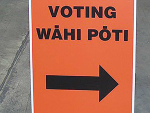
OPINION: As election day looms, rural NZ seems to have pressed the pause button – held somewhat in limbo on an orange light.
 increase font size
 Owen Jennings
OPINION: Farmers have felt increasingly disempowered and disregarded of recent decades. Larger farms and fewer owners have reduced the rural population.
Urbanisation has stolen parliamentary seats. In 1923 farmers held 30% of the seats in the house. That political influence from the rural heartland has weakened; still strong, but not what it was decades ago.
However, 2026 promises a potential revival of rural leadership. At least, in part.
Rural voters who split their vote could dictate the shape of the next government. And the next one again too, such is the potential size of the majority created by vote splitting and overhang.
This election offers rural voters the opportunity to vote for a “coalition” rather than a “party”.
It means using your electorate vote for the local National Party MP and voting either ACT or NZ First with your party list vote. Difficult for some dyed-in-the-wool voters, maybe, but the stakes for rural New Zealand have never been higher. Forward with sensible reform, reducing debt, eliminating unnecessary regulation, keeping interest rates down or a repeat of the irresponsible spending, excessive debt and stifling rules of the Ardern/Robertson era.
It is about wielding double the influence. Splitting one’s vote hugely increases the chances of getting the coalition of your choice. Conversely, using both your votes for the same party restricts potential leverage. It can almost certainly lead to one vote – the Party or List vote – being “wasted” or “lost” or “having zero effect”.
Te Pati Māori have worked out that systematic vote splitting increases leverage. It is a quirk of MMP. It always has been there. The Electoral Commission stated that 35% of all voters split their vote in the 2020 election. There were no cries of anguish, no claims of manipulation, no calls of a lack of ethics.
This election more than all previous ones presents a stark choice between left and right. Not only because the parties have lined up logically and have already ruled out who they will not join up with but because of something that happened in 2023 and is showing more clearly in the run up to this election.
The two mainstream parties hold most of the 72 available electorate seats. Voters prefer stability and will support an electorate MP who does the hard yards locally. However, National and Labour have seen their popular support slump markedly. Both are down in the mid and high 20s, which means that if current popular support translates into list seats won, there will be an overhang caused by National having more electorate seats than it is entitled to from its party list vote. Remember, it is the list vote that determines the share of seats.
It means hundreds of thousands of National’s party list votes delivering no extra MPs.
The astonishing thing is that National’s hierarchy do not seem to either understand MMP or are just blocking their ears. With a potential 28 or 29% party list vote and the likelihood of holding 38-40 electorates, they are already in overhang and any party list votes they receive will be of zero benefit. All those votes will be wasted.
The same votes split and supporting National’s coalition partners creates real value for the voter and greatly increases the likelihood of a centre right government.
The trend of National’s popular support falling is very apparent and does not look like changing.
Remember with MMP you get two votes.
So, when the possibility of “overhang” or “split voting” comes up and can be shown to improve the chances of getting the coalition of your choice, it will be rural seats that bring home the bacon.
Don’t expect National or Labour to trumpet vote splitting. That defies logic. However, they could be a little less strident on the matter. For their own good.
Conclusion – return your National Party Electorate MP and use your Party List vote for the coalition of parties of your choice doubling your impact. Split your vote.
OPINION: As election day looms, rural NZ seems to have pressed the pause button – held somewhat in limbo on an orange light.

Farmer lobby Groundswell believes that farmers are worried about the implications of a potential centre-left government.
With less than a week to go before voters choose the next government, Federated Farmers has a simple message to its members - get out and vote.
For years, IrrigationNZ has called for a coordinated national approach to water security, backed by enabling regulation, strategic infrastructure investment and sound technical practice. As the 2026 general election approaches, many of these priorities are now reflected in political commitments and legislative reforms. That represents significant progress, but the real measure of success will be turning policy into practical outcomes, says IrrigationNZ principal technical officer Stephen McNally.
OPINION: Political parties are getting plenty of advice and recommendations from sector groups as the election approaches.


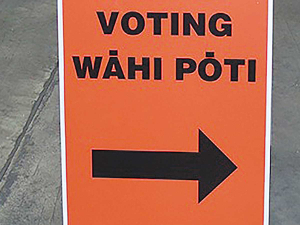
OPINION: As election day looms, rural NZ seems to have pressed the pause button – held somewhat in limbo on an orange light.

Will drones be the answer to tackling the problem of wasp and hornet nests high up in trees and other inaccessible places?
Canterbury milk processor Synlait has come through tough times and is now ready to scale up from a stable base, says its newly confirmed CEO Leon Fung.
NZPork says a ham made in New Zealand is not necessarily made from New Zealand pork.
Rural Contractors NZ says proposed changes to land transport rules for agricultural vehicles are a welcome response by the Government to out-of-date regulations which have seen members hit with huge fines.
With New Zealand’s greenhouse gas emissions in the spotlight, Auckland scientist Nathan Balasingham says there’s a better way to tackle the problem than shrinking cow numbers or fertiliser usage.