New Zealand postal service changes leave rural communities disappointed
Changes to New Zealand’s postal service has left rural communities disappointed.
 increase font size

OPINION: Town and country find themselves on the same page when it comes to anger over price hikes from NZ Post.
Fed Farmers and others have made a hue and cry about the July 1 hikes of 19% for unaddressed bulk mail and an extra 70c to post a letter.
Constant price hikes by NZ Post have seen their rate rises far outstrip inflation, or any other service or commodity, as our mates at the Magazine Publishers Association point out: "These aren't normal price increases. They are multiples of inflation, compounding year after year, imposed by a monopoly provider with no regulatory oversight of its pricing," says MPA chair Stuart Dick.
As he says, no other essential infrastructure service in NZ operates without independent price scrutiny.
Gas, electricity, broadband all have some level of oversight or controls.
Postal services should too.
Changes to New Zealand’s postal service has left rural communities disappointed.
Rural Women New Zealand (RWNZ) says proposed changes to rural deliveries mean NZ Post is putting commercial viability ahead of the needs of rural communities.
OPINION: About as productive as a politician's taxpayer-funded trip to Hawaii, as cost-effective as an OSPRI IT project, and as smart as the power-company pylon worker, the Hound gives you the NZ Post business strategy:
OPINION: Rural services such as banks, health and postal services have been declining for years, so this mutt was tickled pink to hear Rural Women NZ on national TV slamming the impact of post office closures in rural areas.
Rural Women New Zealand (RWNZ) worries New Zealand Post will stop providing mail services to the rural communities of Mapua and Upper Moutere.



LIC shareholders have elected a new North Island representative to the co-operative's Board, along with five representatives to its Shareholder Reference Group (SRG), following the company's Annual Meeting held in Invercargill.
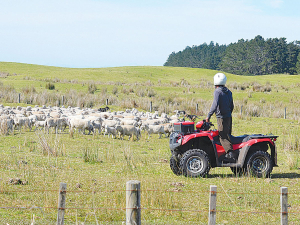
Farmers across parts of Southland and South Otago are continuing to deal with difficult conditions after a prolonged run of wet weather, with pressure building around feed supply, stock management, pasture damage, farm infrastructure and everyday workloads.
Federated Farmers says it welcomes Labour's commitment to reviewing the Sharemilking Agreements Act, calling on other major parties to do the same.
For Canterbury dairy farmers Sian Meijer and Rick Wobben, wearable technology has become one of their most valuable on-farm tools - helping manage 1850 cows across an expansive, high-performing dairy operation while improving efficiency, mating outcomes and day-to-day decision making.
Fonterra has unveiled its annual results for the 2026 financial year, posting $27 billion in revenue and close to $20 billion returned to New Zealand farmer owners and unit holders.
The first major update to the Dairy Cattle Code of Welfare in more than a decade has been released, marking what DairyNZ describes as an important step in ensuring animal welfare standards continue to evolve alongside scientific evidence and on-farm realities.