Hawke’s Bay sheep and beef farmers warned to monitor stock water wells
Sheep and beef farmers in Hawke's Bay are being urged to keep a close eye on the wells that supply water to their stock.
 increase font size
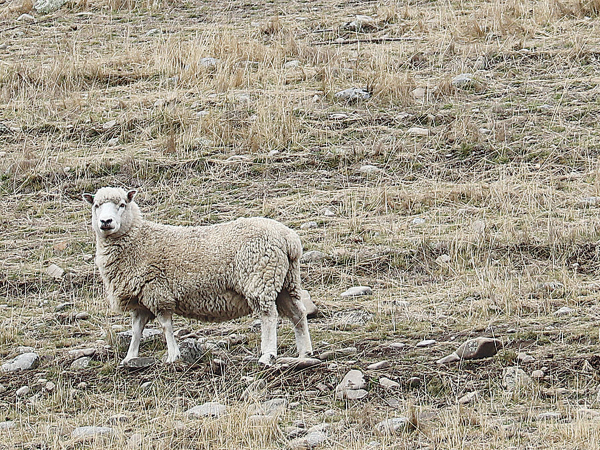 Farmers facing regions facing dry or extremely dry conditions are being urged to tap into the resources available through industry good organisations and MPI.
Farmers in regions facing dry or extremely dry conditions are being urged to tap into the resources available to them through their industry good organisations and MPI (Ministry for Primary Industries).
The feed planning service is open to all livestock owners and helps farmers complete a feed plan. The feed coordination service connects farmers who are short of feed with available sources of supplement, such as silage and hay.
Mark Harris, Beef + Lamb NZ’s (BLNZ) lead extension manager, says there is no significant rain in the forecast so it is unlikely farmers in affected areas will be able to build pasture covers going into winter.
“I really encourage anyone affected by on-going dry conditions to make use of the feed planning and feed coordination services. Having a third party discuss your options with you can often help clarify your thinking and help with the critical decisions that need to be made going into the colder months.”
Harris says experience from the Hawkes’ Bay drought shows that seemingly dire situations can be turned around by proactive management decisions.
“There are case studies on the BLNZ website, which show the power of having a third party cast an eye over the situation and guide decision making,” he says.
“It is important to try and limit the impact of these extremely dry conditions to this year and try and protect the performance of capital stock next spring.”
Harris adds that there are a range of drought support tools and resources on the BLNZ website, including a simple feed budget and experiences of farmers who have got through drought in recent years.
For farmers who need financial help, or extra wellbeing support, the Government has allocated $200,000 for the Farm Business Advice Support Fund, which is managed by Rural Support Trusts. Banks are jointly funding the initiative. Qualifying farmers can receive up to $6,000 to seek independent financial or business advice.
Farmers and growers can also access the Farm Debt Mediation Scheme, should they need help working through debt issues with their bank. MPI can assist with the costs of mediation through the scheme’s hardship fund.
Rural Support Trusts are there to help rural people during tough times.
They offer a free, confidential service to rural farming communities. Farmers and farming families who need help are encouraged to call for confidential advice and support.
Info Services
Information on all drought management related tools and resources: https://beeflambnz.com/newsviews/extreme-dry-management.
Sheep and beef farmers in Hawke's Bay are being urged to keep a close eye on the wells that supply water to their stock.

Fears of a serious early drought in Hawke’s Bay have been allayed – for the moment at least.
OPINION: Farmers along the east coast of both islands are being urged to start planning for drought as recent nor'west winds have left soil moisture levels depleted.
As you approach Hastings from the south along SH2, the colour of the west-facing hills are a good indicator of a drought.
New research could help farmers prepare for a future where summer rainfall is increasingly unpredictable and where drought risk is rising, no matter what.



Now in its fourth year, the 2026 Fencing Industry Awards, formed part of the proceedings of the FCANZ Conference, held in Nelson during August.
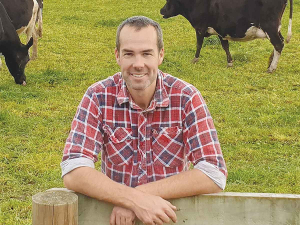
DairyNZ deputy chair Cameron Henderson has been re-appointed unopposed for another term.
OPINION: The stats speak for themselves.
Farms across the upper North Island are trialling different pasture mixes as part of a research programme that aims to build greater resilience into farming systems.
Election years are always a concerning time for farmers, according to DairyNZ chair Tracy Brown.
The Ballance Farm Environment Awards are coming to the West Coast of the South Island.