The worm challenge for sheep and beef farmers is increasing as the warm, moist weather of spring and early summer arrives.
That’s the message from highly experienced rural veterinarian Dr Ginny Dodunski, manager of the ‘Wormwise’ programme which provides a wide range of information to farmers to deal the worm challenges they face on farm.
The worm problem is estimated to cost the country hundreds of millions of dollars in lost production with young animals not reaching their target weights, outbreaks of clinical disease, and propensity to other problems such as flystrike in sheep.
Dodunski says this is the time of the year that farmers need to take stock of the likely levels of worm challenge on their farm, have a plan for growing young stock quickly, and ensure that the drenches they are using are highly effective. High levels of drench-resistant worms are becoming more common and can end up causing major problems later in the season.
She adds that these drench resistant worms won’t necessarily reveal themselves through low stock performance early in the season, but now is the time to ‘head them off at the pass’ by doing some checks of early lamb and calf drenches and making an alternative plan if the routine drench is letting worms survive.
The broad-spectrum drenches came on the market in NZ in the 1960s and for many years the original drugs and their combinations were a straightforward and way to prevent disease caused by worms in livestock. Dodunski says the standard message was to drench lambs with a combination drench every 28 days from weaning.
However, over time the worms have become more resistant to these products.
Read More
“The situation today is different because the options of drenches that are really effective has narrowed on many farms. I liken it to going down a narrower and narrower corridor of drenches. Few people are around who remember what it was like before the 1960s when there were limited options for dealing with worms.
“But now as more and more products fail, farmers have less options and they are having to look more closely at other options in the farm system to control worms and become less reliant on drenches,” she says.
Dodunski believes that drenches will always have a place in farming and says that if they were dropped out in a widespread way, it would likely lead to a significant animal welfare problem.
 |
|---|
|
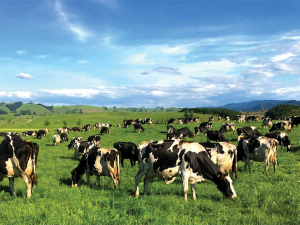
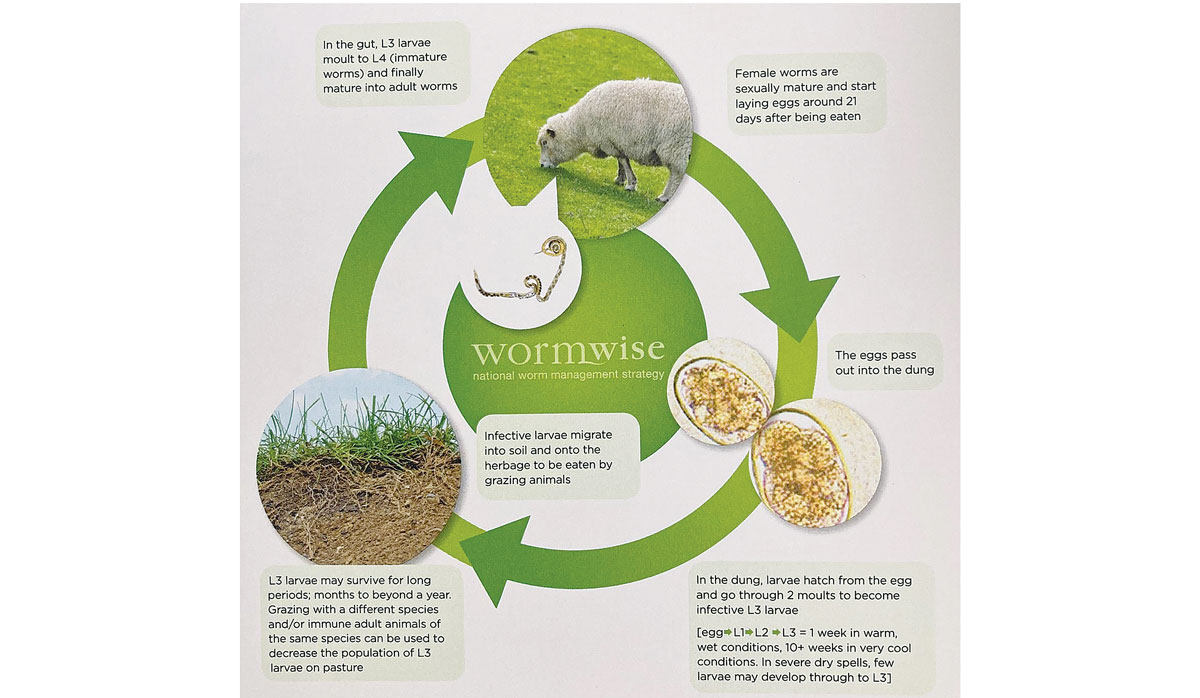
The relatively mild moist NZ climate allows the worm life cycle to continue through much of the year.
|
The NZ Situation
Ginny Dodunski says NZ’s temperate climate makes it more vulnerable to yearround worm challenge than the harsher climate of the Northern Hemisphere where snow and prolonged frost can kill a lot of larvae on pasture.
The same applies in the harsh dry conditions in Australia which also drops worm challenge on pasture. But the relatively mild moist NZ climate allows the worm life cycle to continue through much of the year.
Some larvae get into the upper layer of soil and effectively hibernate during a drought, but are suddenly brought to life by the rain and the short regrowth of grass means it’s easy for stock to get infected with worms.
Climate change is also becoming a factor.
“One thing we are seeing in the last few years is that the Barber’s Pole worm, which is that blood-sucking worm in sheep, is moving south and is predominating through more of the year than it used to. This is because it doesn’t like the cold and as our traditional colder areas warm, we are seeing Barber’s Pole for longer in the season,” she says.
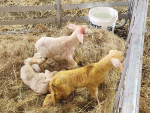
Certain classes of stock are more vulnerable to worms than others. The obvious ones are young lambs and lactating hoggets – both having little immunity to worms. Calves are also vulnerable.
Several positive initiatives are underway to deal with the present situation. Diagnostic research is being done by Beef+Lamb NZ – hopefully in time leading to tools that can quickly determine which worm species are present in stock. This will be especially useful for monitoring when Barber’s Pole worm challenge is increasing. In time it’s also hoped to develop a fast test for drench resistant worms.
New Websites
Wormwise is running workshops around the country for both farmers and veterinarians, and there is a new Wormwise website that provides up-to-date worm management information.
There is also a lot of genetic work going on to produce animals that are more resistant to worms.
Dodunski says as the drench options continue to narrow and climate change kicks in, it’s time for farmers to look at their systems and see what they can do beyond drench.
A key tool is having animals in good condition and ensuring that that they are being well fed.
https://beeflambnz.com/programmes-partnerships/current-programmes/blnz-wormwise-programme/worms-your-farm-system