BVD Control Begins Long Before You See A Problem
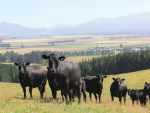
Bovine Viral Diarrhoea (BVD) is sometimes viewed as a dairy industry issue, but the reality is that the disease can have serious consequences for beef breeding herds as well.
 increase font size

WITH THE second season of black-grass operations about to begin, continued vigilance this spring and summer will be crucial to stop the noxious weed from establishing in Mid-Canterbury, says the Ministry for Primary Industries (MPI).
MPI, supported by industry partners, began a black-grass response following spillage of contaminated seed from a truck travelling between Ashburton and Methven in July last year.
"We didn't find any black-grass last season and are confident that if it were there the operations team would have found it," says MPI response manager Brad Chandler.
"However, we are also very conscious that if there is any chance of black-grass appearing, it is most likely to show its face this season. So everyone involved, including the public, needs to remain particularly vigilant and keep a lookout."
This season's operations are scheduled to start the week of October 13 and finish the week of March 23, 2015. They will be similar to last year, involving nine rounds of surveillance along the spillage route, three rounds of grass mowing along roadside verges, and herbicide spraying.
Chandler asks that the public stay alert for any signs of black-grass and report anything they suspect may be black-grass to the MPI pest and disease hotline on 0800 80 99 66.
"The public have been really supportive to date, and we're hoping this will continue as we value their support and know how important it is to the success of the response."
Black-grass is a serious invasive weed of winter crops in the UK and Europe where it has developed resistance to many herbicides.
Visit: www.mpi.govt.nz/biosecurity-animal-welfare/pests-diseases/help-stop-black-grass.
Bovine Viral Diarrhoea (BVD) is sometimes viewed as a dairy industry issue, but the reality is that the disease can have serious consequences for beef breeding herds as well.
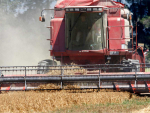
Mid Canterbury Federated Farmers arable chair, Bevan Lill, said Beef + Lamb NZ data indicated that for the last six years, the average arable return on investment was about 0.8% while inflation ran about 4% - so the average arable farm was going backwards at about 3% a year.
A warning for New Zealand seed and grain companies – be prepared for an exodus of farmers from the arable sector.
Gareth Hale is the current custodian of a 160-year legacy that saw his great grandfather dairying in Taranaki since the mid-1850s and grandfather dairying in the Waikato from the early 1900s.
Election years are always a concerning time for farmers, according to DairyNZ chair Tracy Brown.

Federated Farmers says it welcomes Labour's commitment to reviewing the Sharemilking Agreements Act, calling on other major parties to do the same.
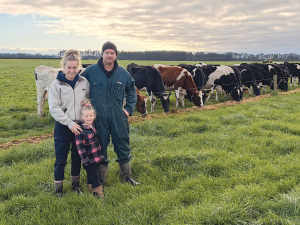
For Canterbury dairy farmers Sian Meijer and Rick Wobben, wearable technology has become one of their most valuable on-farm tools - helping manage 1850 cows across an expansive, high-performing dairy operation while improving efficiency, mating outcomes and day-to-day decision making.
Fonterra has unveiled its annual results for the 2026 financial year, posting $27 billion in revenue and close to $20 billion returned to New Zealand farmer owners and unit holders.
The first major update to the Dairy Cattle Code of Welfare in more than a decade has been released, marking what DairyNZ describes as an important step in ensuring animal welfare standards continue to evolve alongside scientific evidence and on-farm realities.
Ravensdown shareholders have elected Jane Montgomery and Kate Acland to the Ravensdown Board for three-year terms, following a closely contested director election.
Federated Farmers says new legislation replacing the Resource Management Act will cut red tape, unlock investment and help grow New Zealand's export-led economy, after the Planning Bill and Natural Environment Bill passed their third reading in Parliament yesterday.