Diversifying into goat, sheep milking all about stability
Former All Black Kevin Schuler says diversifying the family farm with his brother Paul into three milking systems – cows, goats and sheep – is all about creating a better and stable business.
 increase font size
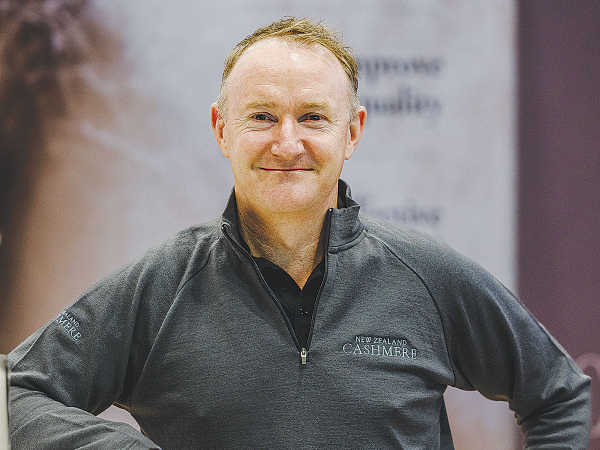 New Zealand Cashmere Limited director Andy May.
Last month's inaugural New Zealand Cashmere Conference saw the opening of a new fibre processing facility.
The multimilliondollar investment by fibre spinning company Woolyarns Limited cleans and processes cashmere fibre in a process that takes raw cashmere fleece though to a spun yarn on one site.
Cashmere fibre currently returns growers between $110 and $150/ kg.
New Zealand Cashmere Limited director Andy May says the conference was an opportunity for growers to learn about the $4 billion global cashmere fibre market.
“It’s an exciting time for the growth of our sector with farmers taking on cashmere goats as part of our Foundation Flock Programme,” May says. “We brought over 20 groups of farmers and industry people together to tour our facilities at New Zealand Cashmere and Woolyarns, so they could hear from speakers and share experiences with each other.”
He describes the Lower Hutt facilities as world-class. The modern scour predominantly uses air, steam and limited amounts of water with organic detergent for cleaning the fibre. The dehairing process then separates the fine cashmere fibres from coarse guard hair of a goat’s coat to produce fibre that can be spun into high value yarn.
“The engineering is special,” May adds. “There’s nothing quite like this that can process fibre of this high quality from a raw fleece all the way through to a spun yarn on one location in New Zealand.”
Meanwhile, attendees at the conference heard from a range of speakers covering the global fibre market, innovation, animal management support, market assurance processes, on-farm research and data management, and breeding services. New Zealand Cashmere business development manager Olivia Sanders says the conference was a good opportunity to bring growers together.
“While some growers have had goats as part of their farm systems for many years and understand the benefits they can bring to pastures and other stock classes,” she explained. “Many who joined us were looking for diversification options in their farming business and are keen to learn from the experiences of other farmers.”
Sanders added that Woolyarns had relationships with leading European luxury fashion houses that has enabled New Zealand Cashmere to offer long-term fibre contracts to growers.
“We are excited to be building the Foundation Flock programme to meet the demands of our highend luxury brands with fibre that is traceable and has the sustainability credentials these brands are looking for.”
About Cashmere New Zealand
Former All Black Kevin Schuler says diversifying the family farm with his brother Paul into three milking systems – cows, goats and sheep – is all about creating a better and stable business.
Goats can add simple and low-cost production benefits to bottom-line profitability for sheep and beef operations, explains Garrick Batten.
Garrick Batten on why there aren't more goats on pastoral farms.
Goats have been used for milk production for at least 9,000 years, but in New Zealand dairy goats are a relatively recent introduction.


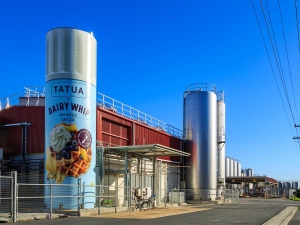
Waikato milk processor Tatua has again declared a record milk payout to farmer shareholders, leaving other processors in the dust.

A Labour-led Government won’t be bringing back the controversial freshwater rules of 2020.
National’s much-touted free trade deal with India featured in the Rural Issues Debate at Mystery Creek, Hamilton on Wednesday night.
New Zealand's 2026-27 freshwater fishing season has opened, with anglers encouraged to head to rivers and lakes over the coming days as conditions look favourable across much of the country.
Central Otago District Council (CODC) has voted against a plan to spread treated sewage sludge from Cromwell and Alexandra on farmland near Lauder, a decision Federated Farmers says reflects strong opposition from rural residents.
Pāmu has released its FY26 Integrated Annual Report, reporting a Net Operating Profit of $113 million, more than double the $49 million recorded in FY25.