X marks the spot
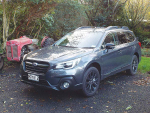
While many car manufacturers set out to cater for all sectors of the market, it’s fair to say that Subaru has “stuck to its knitting”.
 increase font size
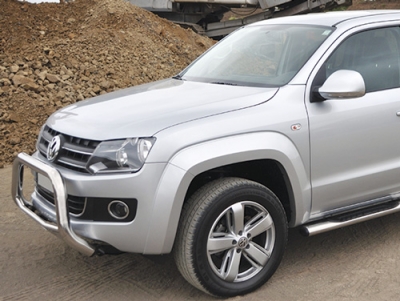 "It's the perfect way to make your ute or SUV stand out and offers more protection at the same time," says Best Bars chief executive Stephen de Kriek.
Steel may be the real deal when it comes to tough bars and accessories for protecting a work ute or city SUV, but it's often the shiny looks that seal the deal.
In spite of the recent popularity of the matt black finish, more utes and SUVs are going onto New Zealand roads sporting brightly polished bars and fittings made from stainless steel than at any time in the past 30 years.
"It's the perfect way to make your ute or SUV stand out and offers more protection at the same time," says Best Bars chief executive Stephen de Kriek.
"Stainless steel keeps its shine and good looks for much longer than other materials and it's very robust."
Best Bars, also known for its towbars, has expanded the range of stainless steel products offered under the Advantage accessory brand name to meet the demand of the buoyant ute and SUV market.
The latest Advantage stainless steel range now includes a variety of sports bars mounted behind the cab of a ute, cab protectors, front nudge bars, rear protection bars and side bars or pipes.
The stainless steel range differs from similar imported products, because they are designed and manufactured to a high standard, especially match vehicles and their style, and take account of the safety critical components of these products such as nudge bars and their potential interaction with safety airbags.
"Best Bars sources the best grade and thickness of stainless steel possible for automotive outdoor use – the 304 grade," says de Kriek. "Good quality stainless steel is very resistant to light scratches and knocks and it keeps its appearance."
While many car manufacturers set out to cater for all sectors of the market, it’s fair to say that Subaru has “stuck to its knitting”.

Just why is the Suzuki Vitara so popular in New Zealand? Mark Daniel found out as he test drove the new 2019 2WD turbo.
With the compact SUV sector making up 20% of the total SUV market, it’s not surprising to see Toyota launching a new model to claim its share.
The new kid on the SUV block will have auto sales and marketing managers burning the midnight oil and scratching their heads as they wonder how to deal with this – the Skoda Kodiaq.
Now entering its 21st year since the launch in 1995, the Toyota RAV 4 has graced the yards or driveways of 28,500 buyers and retains its dominant stake in the competitive SUV market.



B+LNZ's Wormwise veterinarian Mary Bowron has won the Best Sheep and Beef Vet of the Year Award in recognition of her outstanding contribution to New Zealand’s sheep and beef sector.
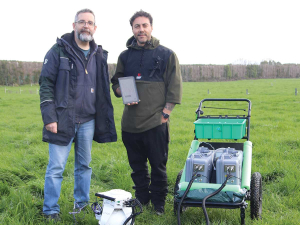
Researchers at Massey University are using a special piece of scientific equipment to improve the measurement of greenhouse gas emissions from pasture soils.
More signs of a booming kiwifruit sector.
OPINION: David Seymour and James Meager's plan to make it easier for farmers and orchardists to operate drones can best be described a 'courageous' move.
New Zealand wool is reaching new heights as air filtration companies move away from synthetic products to biodegradable alternatives.
Opuha Dam's ability to protect South Canterbury communities from major flooding has taken a significant step forward, with Opuha Water Limited (OWL) successfully commissioning a new outlet valve capable of releasing record volumes of water from the dam ahead of a weather event.