Claas Balers Turn 30
Claas built its first variable chamber round baler - the Variant 100 - in 1996, so 2026 marks 30 years and the fifth generation of the Variant name, recently complemented by the new Cerex Series introduced in 2025.
 increase font size
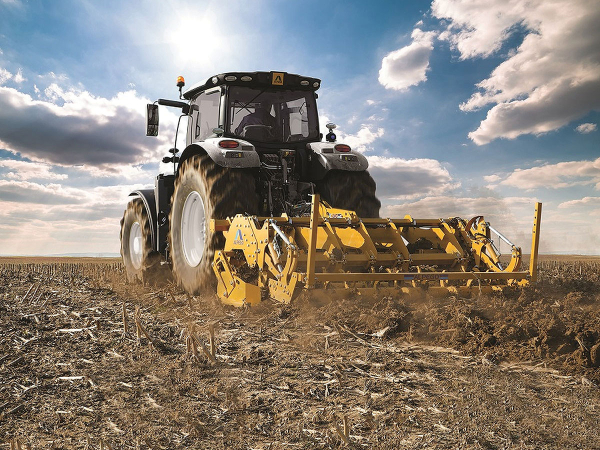 The ALPEGO CRACKER subsoiler addresses soil compaction, with the ability to work at different depths.
Distributed in New Zealand by OriginAg and supported by its nationwide dealer network, the Italian-built Alpego brand offers an extensive range of solutions including power harrows, rotary hoes, mulchers and subsoilers.
The Alpego Cracker subsoiler addresses soil compaction, with the ability to work at different depths according to individual field requirements. Designed to fracture restrictive soil layers and improve soil permeability, the machine helps restore the movement of air and moisture through the soil profile, creating favourable conditions for root development and nutrient uptake.
It is important to recognise that soil loosening and drainage serve different purposes. Removing a compacted layer can improve water infiltration where the underlying soil is sufficiently permeable. Where deeper soils are naturally impermeable or existing drainage is inadequate, additional drainage measures may still be necessary.
Soil assessments should be used to determine whether the problem is caused by a restrictive compacted layer, inadequate drainage, or a combination of both. By cultivating at depths to suit physical requirements, operators can reduce draft loads, fuel consumption and wearing-part costs, while also avoiding excessive soil disturbance.
A significant advantage of the Alpego Cracker is an innovative 3-in-1 cultivation concept, where the machine can be configured with three different share assemblies to suit varying soil conditions and working depths.
The Cracker Shank is designed for heavier soils and more substantial compaction layers, making it suited to deeper subsoiling operations. With a working depth range of 50–65cm, the configuration can fracture deeper restrictive layers, making it particularly suited to paddocks where compaction extends well below normal cultivation depth.
The Clod Shattering Fins option is intended for intermediate cultivation, where soil restrictions are present at moderate depths, with an operating depth range of 25–35cm. The action of the fins is to assist in breaking and crumbling soil, helping produce a more refined soil structure. The option is useful for growers requiring effective soil loosening, without the need to cultivate to maximum depth.
The optional DEK Ploughshare, with operating depths of 10–15cm, is designed for addressing near-surface compaction, shallow cultivation or incorporating crop residues, loosening and mixing the upper soil layers. The ability to perform shallower cultivation is especially valuable where deeper soil disturbance would offer little additional benefit.
The advantage of the 3-in-1 concept, provides the flexibility to select a share configuration that best suits the soil conditions and the depth of the compacted layer within in one machine, removing the need of multiple machines for differing depths of cultivation. All three share options can be fitted or removed quickly, utilising the Allfast-System, using a quick-release pin.
The principle is simple: identify the compaction layer, select the appropriate share, and cultivate only as deep as necessary.
www.originag.co.nz
Claas built its first variable chamber round baler - the Variant 100 - in 1996, so 2026 marks 30 years and the fifth generation of the Variant name, recently complemented by the new Cerex Series introduced in 2025.
John Deere is introducing its 500R self-propelled sprayer to the NZ market, offering small-grain growers a new option designed for precise application, operator comfort and efficient field performance.
Global tyre manufacturer Michelin has extended its agricultural trailer tyre range, with the introduction of its new WorkxBib series, designed for tipping trailers, slurry tankers and manure spreaders.
Following the record-breaking success of its hydrogen-powered Hydromax, JCB is ramping up its investment in the business, key to the first major change at the executive level of the business, with George Bamford stepping up to the post of joint chairman, alongside his father Lord Bamford.
During calf rearing, logistics can play an important role in getting the job done quickly and efficiently.


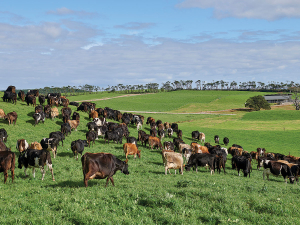
The New Zealand dairy sector set a record in the 2025/26 season, producing more than two billion kilograms of milksolids for the first time.
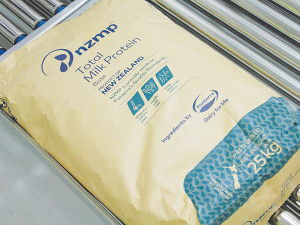
Milk powder prices are continuing their merry run, firming up a potential $10/kgMS farmgate price this season.
Teachers are welcoming the outgoing Government’s U-turn allowing agriculture and horticultural science to remain a standalone Year 11 subject.
Outgoing ACT MP and dairy farmer Mark Cameron says Saturday’s election result reflects voters deeply impacted by the cost of living.
Another former Federated Farmers national president is heading to Parliament.
Horticulture New Zealand (HortNZ) independent director Murray Denyer is stepping down from the board after six years.