Wool processor partners with community for swimming pool project
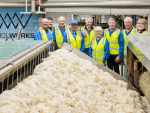
WoolWorks, New Zealand’s largest wool-scouring company, has partnered with the Lions Club of Riverton to help raise money for much-needed repairs to the Southland town’s swimming pool.
 increase font size
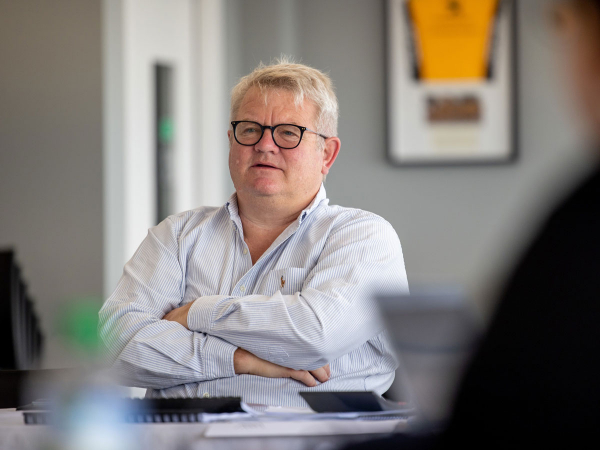 David Ferrier
Australasian asset management firm Tanarra Capital and wool industry stalwart David Ferrier have lifted their stakes in WoolWorks and signalled a significant investment in the company.
Tanarra Capital, a growing diversified alternative asset investment business headquartered in Sydney, and New Zealander David Ferrier, have each taken a half share of WoolWorks after purchasing Lempiere Holdings’ 30% share of the business.
WoolWorks, which operates three wool scouring plants in Napier, at Clive and Washdyke near Timaru, is the largest woolscourer by volume in the world and handles 80% of all New Zealand wool.
“We are committed to growing the business as a partner alongside David Ferrier and the WoolWorks team,” says Maja Sliwinski, investment director of Tanarra Capital.
“What attracted us to WoolWorks was its resilience, reputation and exciting plans for the future. We view WoolWorks as not just best-in-class for wool scouring, but also a leading producer of wool-based solutions and ingredients such as lanolin,” she says.
“WoolWorks is the world’s only supplier of pure New Zealand lanolin, which has a high cholesterol content along with a high emulsification content, a pre requisite for those who choose wool grease to produce lanolin alcohol, cholesterol and Vitamin D3, as well as being popular for use in the manufacture of lanolin and lanolin derivatives.”
David Ferrier has been involved in the wool industry for the majority of his business career and originally purchased in 1999.
“Woolworks is a world leader in processing crossbred wool for local customers and others throughout the world,” says Ferrier.
He says the woolscourer plays a critical role on behalf of the New Zealand wool industry to ensure New Zealand wool is of the highest quality by investing in people, processes, research, development and innovation.
“The company is focused on a series of strategic drivers to support future revenue and profitability growth. This includes revolutionary wool scouring innovations, investments in wool logistics and handling, wool grease recovery, decarbonisation and sustainability, strong wool value-add and healthcare.”
Ferrier says the company is keeping a close eye on the conversion of productive farmland into carbon farms.
“We share the red meat sector’s concerns about the unbridled ability of fossil fuel emitters to offset their greenhouse gas emissions by planting trees on productive sheep and beef farms.
“WoolWorks is worried the sale of sheep and beef farms into carbon farming will only accelerate as the carbon price increases and the Government must make changes to the Emissions Trading Scheme as a matter of urgency.”
WoolWorks has a significant environmental programme underway at its sites. It is replacing its Awatoto site’s natural gas-based hot water generation system with a modern efficient hot water heat pump, significantly reducing the site’s carbon emissions by almost a quarter.
WoolWorks is also switching from coal to an electrode boiler at its Washdyke site near Timaru in a separate project.
WoolWorks, New Zealand’s largest wool-scouring company, has partnered with the Lions Club of Riverton to help raise money for much-needed repairs to the Southland town’s swimming pool.
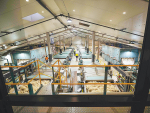
The world's largest wool scouring facility, WoolWorks Awatoto plant in Napier, is back operating at full capacity.
The world’s largest wool processing facility, badly damaged by Cyclone Gabrielle over one year ago, has re-opened following a $50 million rebuild and refurbishment project.
WoolWorks is set to form a new division designed to explore and realise new opportunities to capture greater market value for wool.
Wool scourers WoolWorks New Zealand recently welcomed Minister of Customs Meka Whaitiri to its Napier plant to celebrate a milestone for an important exports scheme.

Mobile phone coverage and reliability are deteriorating in rural areas, and farming families are bearing the cost, according to a Federated Farmers survey.

HelloFresh New Zealand has launched a limited-edition Country Cookout Box of Southern-inspired meals, arriving as the 2026/27 rodeo season gets underway.
Beef + Lamb New Zealand Incorporated (BLNZ Inc) is marking 40 years of promoting red meat to New Zealand consumers, citing its taste, family meals and nutritional benefits.
Pāmu has welcomed Taranaki student Paige Burston as its newest First Foundation Scholar, supporting her journey towards a career in agriculture and animal science.
Farmer-owned fertiliser company, Ballance Agri Nutrients is welcoming National’s plan to negotiate security agreements with key supplier countries to protect New Zealand-bound products from export restrictions and greater supply chain certainty.
Carrfields has announced the appointment of Stu Hall to the newly created role of chief operating officer, Carrfields Ltd, reflecting the continued growth of their agribusinesses and the need to ensure the company has the leadership capacity and support in place as it pursues the emerging opportunities ahead.